
LoRaWAN Gateway for Energy Monitoring: Best-Fit Guide for Meters and Plant Rooms
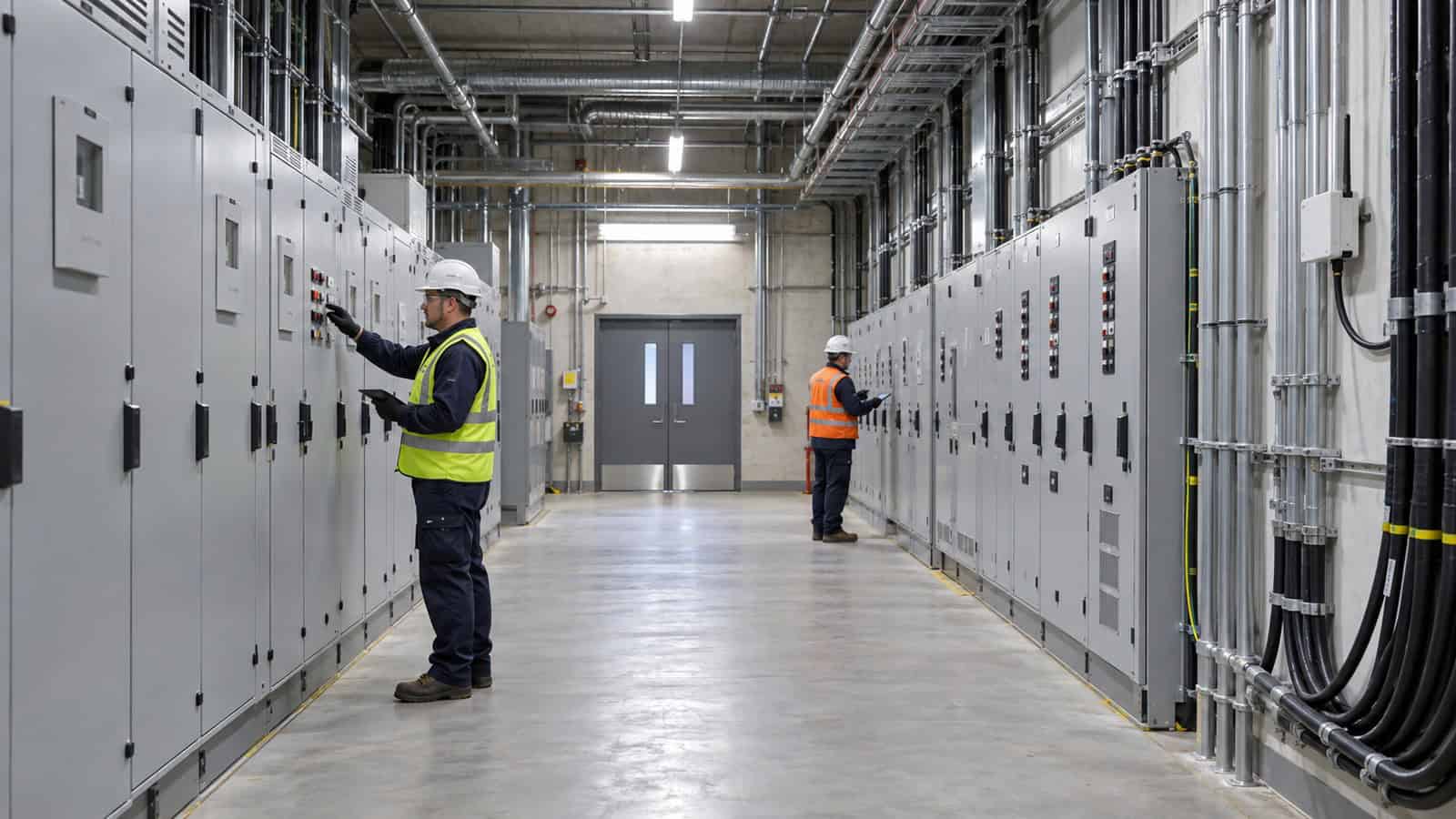
The Robustel R1520LG LoRaWAN Gateway is a strong energy-monitoring fit when wireless submeters and environmental sensors need cellular or Ethernet backhaul and the site may also contain serial plant equipment. Selecting the gateway begins with the reporting outcome: tenant billing, energy optimisation, fault detection and regulatory records require different intervals, retention and evidence.
A meter estate is rarely homogeneous. New LoRaWAN devices may sit beside Modbus meters, pulse outputs and BMS points installed over several refurbishment cycles. The gateway should reduce that fragmentation without obscuring which system owns the official value.
Start With the Energy Decision
For cost allocation, data completeness and time alignment may matter more than rapid alarms. For plant fault detection, a sudden change in current or temperature may need prompt action. For demand management, the project may need local aggregation across several loads. Write the decision and its required interval before choosing sensors or gateways.
Avoid collecting every value at the fastest possible rate. It shortens battery life, consumes airtime and creates an integration burden without necessarily improving the decision. Establish the minimum useful cadence, then add event reports where a threshold or state change matters.
Separate Fiscal, Operational and Indicative Data
A LoRaWAN sensor can support monitoring without becoming a certified billing meter. Mark whether each point is fiscal, operational or indicative and keep the authoritative source visible in dashboards and exports. When a wireless sensor shadows an existing meter, use the comparison to detect drift; do not silently replace the billing source.
The Robustel’s Voytech Systems case study provides exact-series evidence for R1520-LG in a building-monitoring service. It supports the deployment case for avoiding new sensor cabling and managing distributed gateways. It does not certify a sensor or meter for fiscal use.
Choose Gateway Placement Around Plant-Room Reality
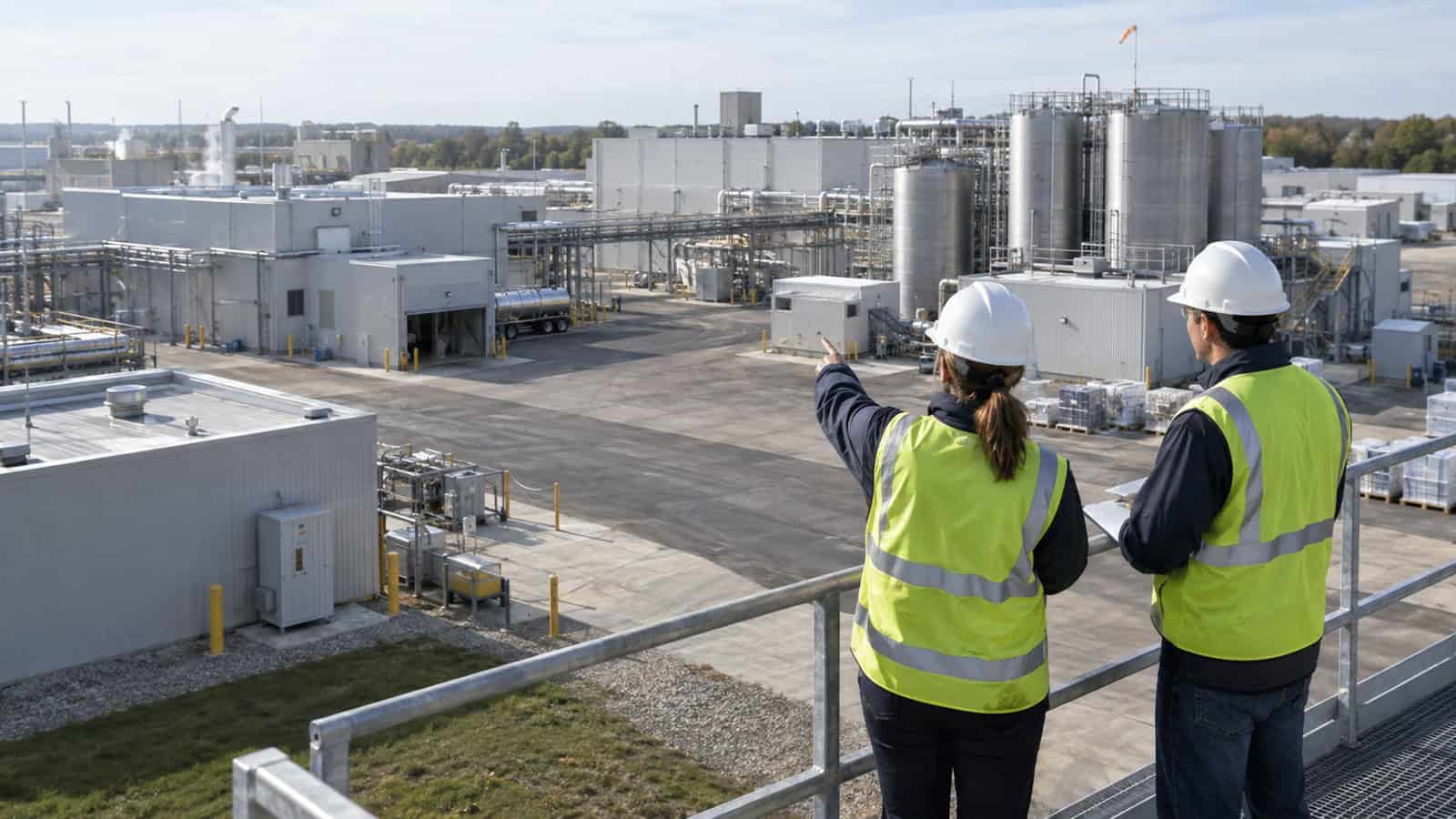
Plant rooms contain metal cabinets, pumps, pipework, risers and reinforced walls. A central floor-plan location may be a poor radio location. Survey meters at the hardest points with doors and equipment in normal operating states.
Backhaul may be equally constrained. Cellular can avoid dependence on a tenant LAN; Ethernet can reduce recurring data use; Wi-Fi may be available but governed by another team. Record the antenna and backhaul plan together, including who can access the gateway after handover.
Match the Architecture to the Estate
| Estate pattern | Best-fit Robustel role | Main validation |
|---|---|---|
| existing external LNS, forwarding only | R1320LGe | frequency plan, PoE and LNS compatibility |
| building gateway with flexible LNS and serial links | R1520LG | embedded/external LNS choice, cellular and wired meter map |
| local edge rules and combined LoRaWAN/wired workflows | LG3120e | workload benchmark, software stack and deployment ownership |
| KNX/M-Bus-led future building platform | evaluate LG5120 only after confirming release status | current production status, exact interfaces and software availability |
This is not a ranking. A simpler packet forwarder is often the more supportable choice when the LNS and data processing already exist elsewhere.
How the Robustel R1520LG LoRaWAN Gateway Fits Energy Monitoring
The Robustel R1520LG LoRaWAN Gateway documents an eight-channel LoRaWAN radio, external LNS protocols and an embedded ChirpStack option, dual-SIM LTE, Ethernet, Wi-Fi, RS-232 and RS-485. That profile allows one site node to receive wireless meter data and connect selected legacy equipment while keeping an independent upstream path.
Use Robustel RCMS platform to manage the gateway fleet, but keep meter-data completeness in the energy platform or application. Router uptime and measurement completeness are related but not identical KPIs.
Make Outages Visible in the Energy Record
Define how missing data appears, how much can be buffered and how replay is timestamped. A flat line can mean stable consumption, a failed sensor or an integration outage. Dashboards should distinguish those states.
The Robustel’s LoRaWAN smart-buildings application example shows an R1520-LG design collecting building sensors and using cellular backhaul for portfolio visibility. Its relevance here is the operating pattern and facilities outcome; the specific meter selection and reporting interval remain project decisions.
Prove the Monthly Close Before Scaling
Run the pilot through at least one representative reporting period. Compare gateway/application records with source meters, check time changes, inspect duplicates and missing intervals and simulate a backhaul outage. Reconcile totals after replay rather than checking only live dashboards.
Then calculate ownership cost: gateways, sensors, data plans, installation, battery replacement, platform operation and exception handling. The benefit should be attached to fewer site visits, identified waste, faster fault response or better allocation—not to data volume alone.
For a portfolio decision, I would also price the exceptions. A technically successful pilot can still be expensive if every missing interval creates a manual spreadsheet correction or if no team owns sensor-battery alarms. Record the monthly time spent investigating gaps, replacing devices and reconciling source meters; those operating hours often decide whether the design scales more clearly than the gateway purchase price does.
The Robustel’s R1520LG product overview video can align stakeholders on the gateway concept. The site survey, meter contract and reconciliation evidence should decide approval.
Preguntas frecuentes
Q1. What is a LoRaWAN gateway?
It is the bridge between LoRaWAN radio devices and a network-server architecture. Depending on the product, it may also provide the LNS, cellular backhaul, local processing and industrial interfaces.
Q2. Is LoRaWAN free?
LoRaWAN uses licence-exempt spectrum under regional rules, but a production service still has costs for gateways, sensors, installation, backhaul, platforms, operations and maintenance.
Q3. Is there a difference between LoRa and LoRaWAN?
Yes. LoRa is the radio modulation, while LoRaWAN defines the networking protocol and architecture used above that radio layer.
Q4. What does LoRaWAN stand for?
It stands for Long Range Wide Area Network. It is designed for low-power devices that send relatively small messages over wide areas.
Q5. When is the Robustel R1520LG LoRaWAN Gateway suitable for energy monitoring?
It suits buildings and plant rooms that need LoRaWAN reception, flexible LNS options, serial integration and cellular or Ethernet backhaul. Verify the frequency plan, radio survey, meter authority and reporting workflow before rollout.
Conclusión
The Robustel R1520LG LoRaWAN Gateway fits energy-monitoring estates where wireless submeters, independent backhaul and selected legacy interfaces need to meet at a manageable site boundary. It is most valuable when the organisation first defines what the energy data will decide.
Preserve the authoritative meter, survey the real plant room and prove a complete reporting period through outage and replay. That produces energy evidence facilities and finance teams can use, rather than another dashboard filled with unexplained gaps.
Before estate-wide approval, make the service owner sign off the reporting calendar, exception queue and source-of-truth policy. The gateway selection is then tied to an operating outcome: fewer unexplained gaps, quicker fault isolation or more dependable allocation—not simply a larger quantity of collected data.
Explore More Articles About Robustel LoRaWAN Gateways
Acerca del autor
Robert Liao | Technical Support Engineer
Robert is an IoT Technical Support Engineer at Robustel, specializing in industrial networking and edge connectivity. A certified Networking Engineer, Robert focuses on the deployment and troubleshooting of large-scale IIoT infrastructures. His work centers on architecting reliable, scalable system performance for complex industrial applications, bridging the gap between field hardware and cloud-side data management.