
Lift Gateway Fleet Lifecycle: Procurement, Commissioning, Updates and Decommissioning
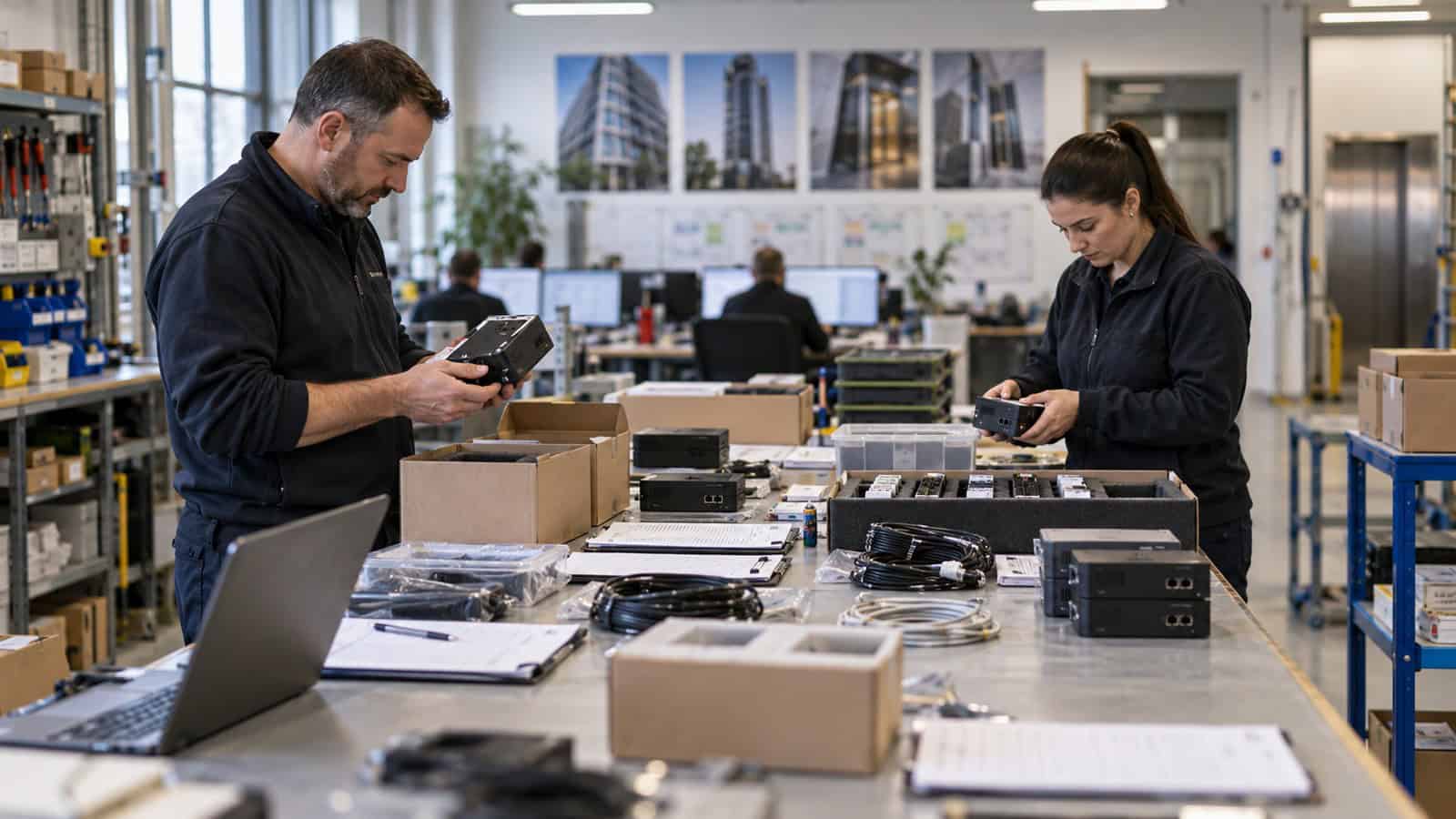
The Robustel EV8100 Elevator Voice Gateway can standardise the cellular and FXS boundary across a lift portfolio, but fleet lifecycle control begins before installation and continues after the last call test. Procurement, commissioning, mobile service, updates, battery work and decommissioning need one asset record and named owners.
Qualify the Exact Installation Before Bulk Procurement
Confirm the existing handset/autodialler, FXS requirements, mobile operator, VoLTE or SIP service, antenna position, power design, battery plan, environmental conditions and required approvals. Qualify the exact EV8100 order code and service configuration on a representative lift.
The Robustel’s EV8100 Quick Pitch video below helps brief procurement and service teams on the product role. The pilot must still prove the complete call and monitoring workflow.
Use the pilot to expose exceptions before a framework agreement fixes the bill of materials. A different autodialler, machine-room RF condition or monitoring-centre interface may require a documented site class rather than an unofficial installer workaround.
Carry One Asset Record Through Every Stage
| Stage | Record to create or update | Exit condition |
|---|---|---|
| procurement | model/order code, service plan, site and owner | approved variant and contract |
| staging | firmware, configuration, credentials and SIMs | reproducible baseline |
| commissioning | wiring, signal, call, audio, DTMF and power tests | witnessed acceptance |
| operation | incidents, battery work, updates and recurring tests | closed exceptions |
| decommissioning | credential removal, service closure and disposal | no production access remains |
Robustel’s TSARO case study provides a useful fleet reference: standardised installation and ongoing records make a large estate more supportable. Apply the pattern while keeping Australian site acceptance and maintenance obligations tied to the responsible local parties.
How the Robustel EV8100 Elevator Voice Gateway Supports Fleet Lifecycle Work
Robustel EV8100 Elevator Voice Gateway combines an FXS port, 4G voice capability, dual SIM, internal battery support and RCMS. The hardware supports a consistent voice gateway role, while RCMS can provide central device visibility and supported management workflows.
| Fleet task | EV8100/RCMS contribution | Operating control |
|---|---|---|
| configuration consistency | managed device baseline | approved template and exception register |
| service visibility | device/network/battery-related status | alert owner and work-order path |
| controlled change | remote configuration/update workflows | pilot ring, success test and rollback trigger |
| site replacement | repeatable FXS/cellular boundary | witnessed call after replacement |
That combination is most useful when the fleet record connects the physical installation to its mobile service, monitoring destination and accepted configuration. If RCMS shows a device-state change, the support team can identify the affected group and compare it with the last known baseline before dispatching an engineer.
Remote status does not replace the recurring end-to-end call. It narrows and prioritises the exception; the lift service process still confirms call initiation, identity, two-way audio and monitoring-centre response from the installed handset. Keeping those two evidence streams together is what turns a common gateway platform into a manageable fleet process.
Update in Rings, Not Across the Whole Estate
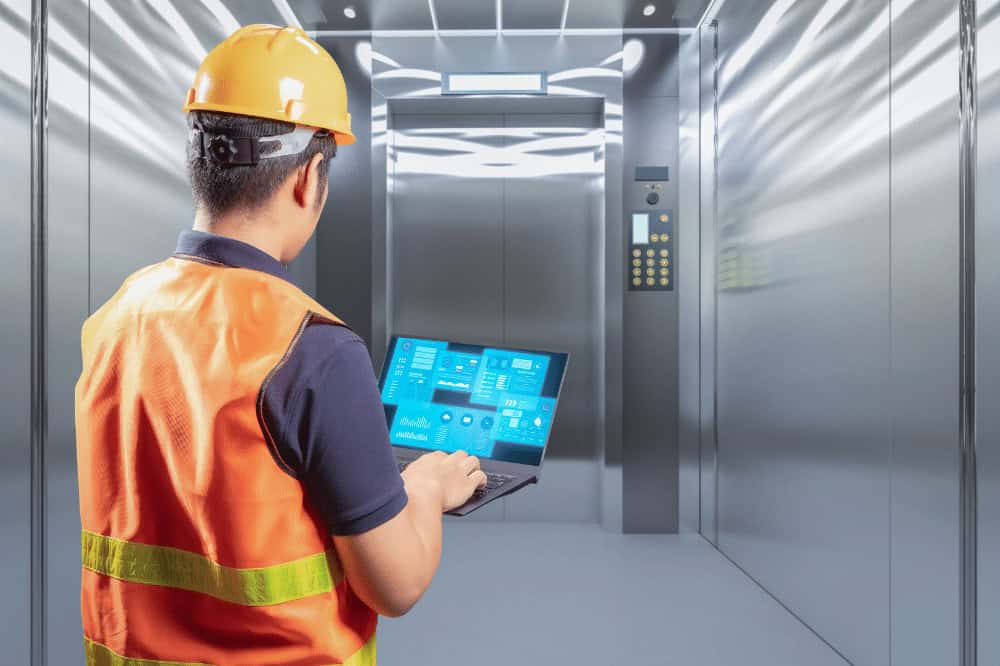
Test firmware or configuration changes on representative hardware and voice services. Deploy to a small ring, wait through the normal operating period, then expand. Define rollback from a failed call, lost management, changed registration or another observable result.
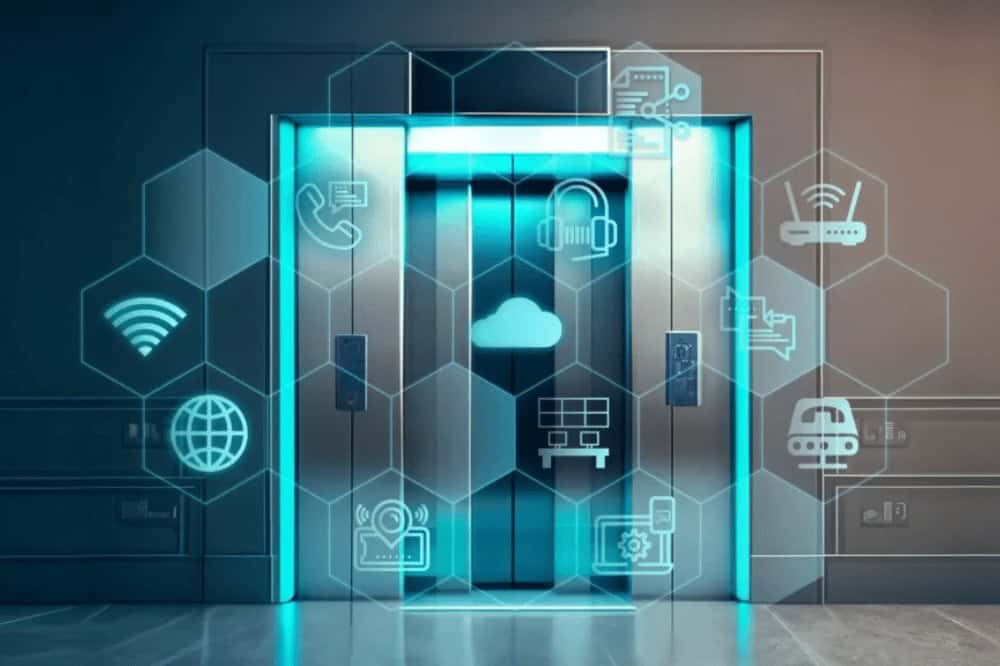
Robustel’s IoT-enabled smart elevators application example illustrates how voice and telemetry can sit in one wider lift architecture. Keep their change impacts separate: a telemetry enhancement should not silently alter the emergency voice path.
Manage Batteries and Mobile Services as Assets
Battery age, condition and replacement belong in the fleet record. So do SIM ownership, carrier plans, APNs and voice-service contracts. A gateway can be physically present yet unusable because a subscription expired or the approved voice path changed.
Set reviews before contract renewal and battery replacement dates. Re-run the relevant call and power tests after either change.
Decommission Without Leaving Access Behind
Before removal, capture the final configuration and incident record, then remove production credentials, close or reassign mobile services, revoke remote access and update the lift asset register. Physically recovered hardware should not retain a route into the live estate.
Check the replacement site separately before cancelling the old service. A premature SIM or voice-service closure can turn a clean hardware change into an avoidable emergency-call outage, while a service left active after removal creates cost and an unmanaged identity.
The lifecycle closes when the monitoring centre, service provider, network owner and asset register agree that the old gateway is no longer part of production. Retain the closure evidence with the asset record so a later audit can distinguish a retired identity from a temporarily unreachable device.
Preguntas frecuentes
Q1. What is an IoT device lifecycle?
It covers selection, provisioning, operation, change, maintenance and retirement. Each stage should have evidence, ownership and a defined exit condition.
Q2. Why is commissioning important for lift gateways?
Commissioning proves the actual handset, wiring, voice service, power and monitoring-centre path. Product compatibility alone cannot establish that complete result.
Q3. How should gateway firmware updates be managed?
Use a tested baseline, pilot ring, change window, success test and rollback trigger. Retest the emergency call whenever the change can affect the voice path.
Q4. What should happen when an IoT gateway is decommissioned?
Remove credentials and access, close or reassign subscriptions, update asset records and dispose of or reuse hardware through an approved process.
Q5. How does the Robustel EV8100 Elevator Voice Gateway support fleet lifecycle management?
EV8100 provides a repeatable FXS/cellular voice role and RCMS-supported visibility and management. The fleet process still owns site acceptance, voice tests, batteries and service contracts.
Conclusión
The Robustel EV8100 Elevator Voice Gateway can give a lift portfolio a consistent connectivity boundary from commissioning through replacement. The economic and operational benefit appears when the same asset record also governs voice service, batteries, changes and eventual retirement.
Start the fleet standard with one qualified installation and a complete lifecycle record. Scale only the parts that can be reproduced, observed and rolled back; preserve site-specific exceptions rather than hiding them inside a nominal standard.
Explore More Articles About Robustel Lift Connectivity


Acerca del autor
Robustel Editorial Team
The Robustel Editorial Team publishes practical articles on industrial connectivity, edge computing, LoRaWAN and device management, focusing on deployment considerations, technical limitations and long-term operation.