
Industrial 5G Router Cost Guide: Hardware, Data Plans and Fleet Operations
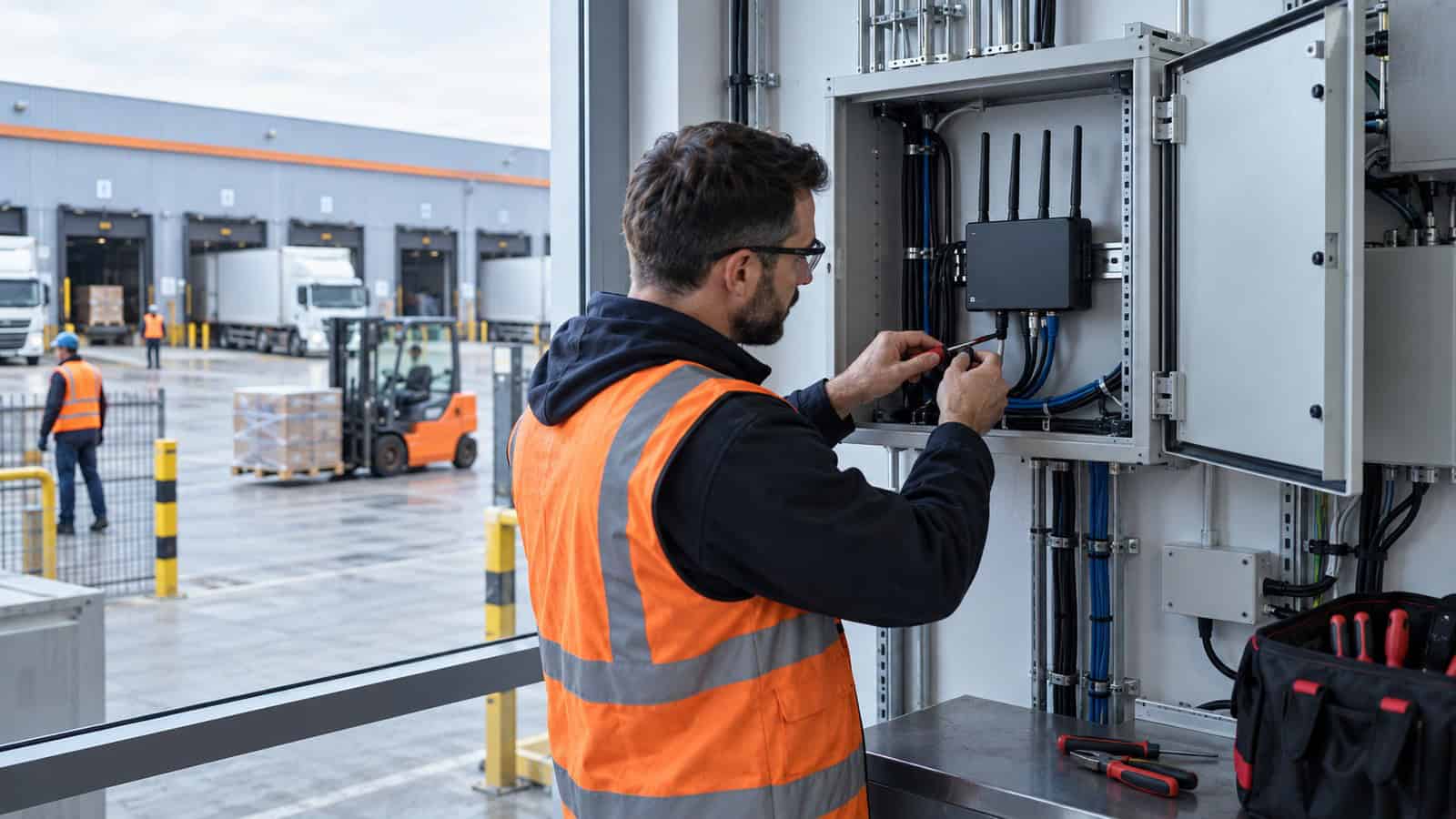
The Robustel R5010 Industrial 5G Router is a sensible cost baseline when a site needs a managed 5G handoff to an existing firewall or SD-WAN appliance, because its focused interface design avoids paying for local ports that another device already owns. The lowest hardware quotation is rarely the lowest five-year cost. Power, antennas, data plans, installation access, configuration control and fault visits belong in the same decision.
Where the Five-Year Cost Actually Starts
Define what the router is expected to own. A device used as an external 5G modem has a different bill of materials from one that must power cameras, provide guest Wi-Fi, connect serial equipment and route several LANs. If those roles are left vague, procurement compares unlike designs and later discovers that the cheaper unit requires a PoE switch, extra enclosure work or a second access point.
Use a five-year ledger with quantities and owners. The exact period can change, but every bidder should answer the same rows.
| Cost line | What to include | Cost trigger |
|---|---|---|
| Hardware | Router, antennas, PSU, mounting and required accessories | Site role and interface count |
| Installation | Survey, cabinet work, antenna route, commissioning and travel | Access difficulty and RF position |
| Connectivity | SIMs, data allowance, private APN or static addressing where required | Traffic profile and carrier contract |
| Operations | Monitoring, configuration changes, firmware work and incident triage | Fleet size and process maturity |
| Failure recovery | Spares, replacement labour, escalation and repeat visits | Failure domain and site accessibility |
| Retirement | Secure decommissioning, subscription closure and asset records | Estate turnover |
A quote that omits operational labour is incomplete, even if its hardware lines are accurate.
Traffic Shape Changes the Commercial Model
At fleet level, I would reject a cost model that cannot show who owns the second year of operation. Hardware is purchased once; tariff changes, SIM administration, configuration drift and site visits recur. That distinction matters commercially because a small unit-price saving disappears quickly when every exception needs manual handling. The comparison should therefore expose both the recurring event and the team that pays for it.
Average monthly volume is only a starting point. CCTV event uploads, software distribution, remote diagnostics and backlog replay can create short peaks or unexpected overage. Record normal traffic, the largest credible transfer and what happens after a WAN outage. A router cannot make an unsuitable carrier plan economical.
Dual SIM may add subscription or operator choice, but it can also add a second contract, provisioning workflow and support decision. Decide whether the second SIM is always active, retained for recovery or used only in selected regions. Then assign responsibility for testing it. Paying for a backup path that is never exercised is not resilience; it is an unverified recurring cost.
Robustel’s Jones Technology retail resilience case study shows why a distributed estate must be operated site by site: local RF and installation conditions still vary even when the fleet shares a common platform. The deployment evidence supports budgeting for central visibility and local diagnosis, not a universal data-plan or coverage figure.
Installation Can Overtake Hardware Cost
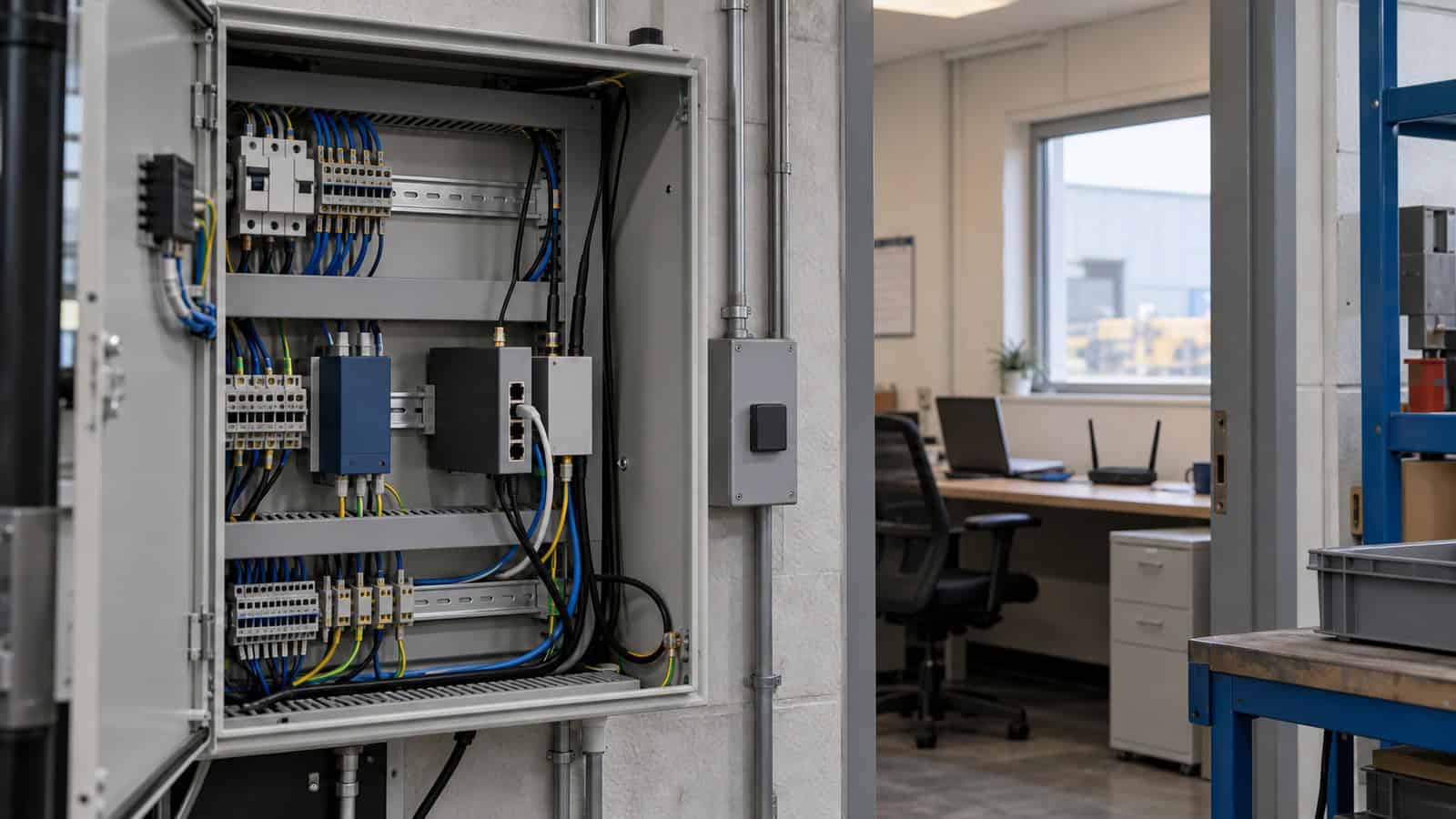
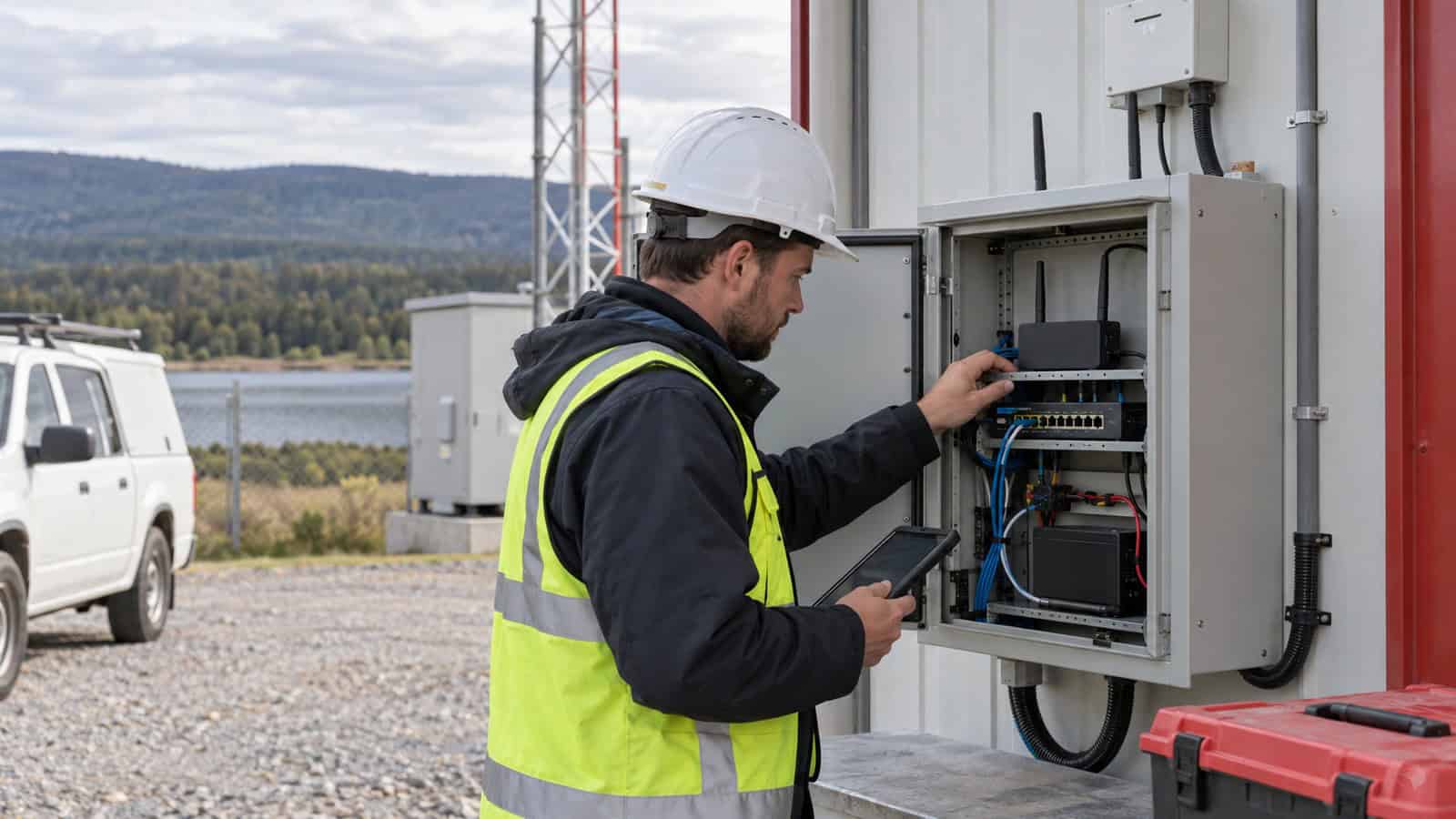
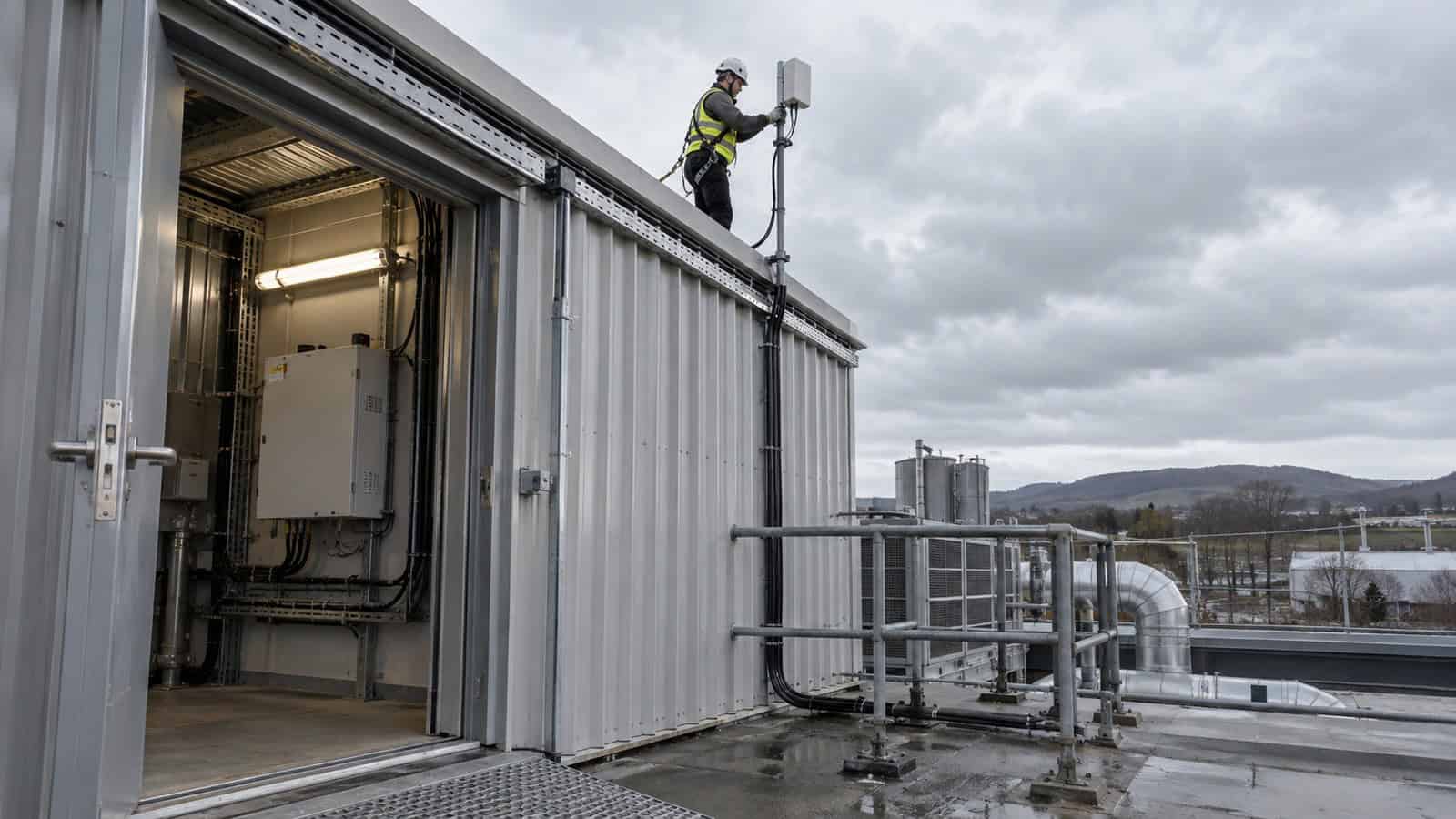
The antenna position, cable route and power source can cost more than the router difference. A compact device near the antenna may improve the RF path but add an outdoor enclosure, surge protection or a longer Ethernet run. A cabinet installation may be easier to service while accepting more feeder loss. Survey both the radio position and the technician’s route before fixing the bill of materials.
Robustel’s Fixed-Line Backup over 5G with the R5010 Application Example illustrates a focused handoff architecture: the cellular router supplies another WAN path while an existing appliance retains policy ownership. That arrangement can reduce duplicated routing functions, but the application example does not establish carrier availability or recovery time for a particular branch.
Where the Robustel R5010 Industrial 5G Router Earns Its Place in the Cost Model
Robustel R5010 industrial 5G router provides global 5G/4G/3G cellular connectivity, dual physical SIM slots, one 2.5 GbE LAN interface, optional 802.3at PoE-PD power and USB modem mode. Robustel RCMS supports central fleet visibility and management. Together, those capabilities suit sites where the cellular device should be placed for radio performance and hand connectivity to infrastructure that already owns firewalling, switching or SD-WAN policy.
The operational effect is a cleaner ownership boundary. Network staff can treat R5010 as the managed cellular edge, while the existing appliance remains responsible for business routing and session recovery. That can reduce duplicate hardware and configuration, but only if one local Ethernet handoff is enough. A site that needs several directly attached devices, PoE-PSE outputs or local Wi-Fi has a different cost shape.
| Site requirement | Best-fit Robustel direction | Cost implication |
|---|---|---|
| One fast handoff to an existing appliance | R5010 | Avoids buying unused local interfaces |
| Several industrial LAN and serial connections | R5020 family | Consolidation may reduce separate interface hardware |
| Five Ethernet ports and Wi-Fi 6 | R5030 | Higher integration can replace a separate access point or small switch where verified suitable |
| Four powered Ethernet devices | R2120-5G | PoE-PSE may remove a switch, but PSU and total PoE load must be budgeted |
The Robustel R5010 quick-pitch video is useful for aligning procurement and network teams on the intended handoff role before they compare accessory and installation costs.
Labour Is the Cost Most Budgets Miss
Estimate the minutes spent on initial provisioning, a routine change, a failed connection and a replacement. Multiply by the number of sites and expected events, then add travel only where remote work cannot close the incident. This exposes the value of repeatable configuration and fleet visibility without pretending that remote management eliminates physical faults.
Before approval, run a small fleet pilot and record the real labour. Include a deliberately failed primary WAN, a SIM or carrier issue, a configuration rollback and a replacement unit. The result should be a maintained runbook and a cost per incident, not merely a successful speed test.
FAQs
Q1. How much does an industrial 5G router cost?
The total depends on interfaces, environmental requirements, accessories and fleet services, so purchase price alone is not a reliable comparison. Build a bill that includes installation, antennas, data plans, management work and recovery visits over the intended service life.
Q2. Does a 5G router need a data plan?
Yes, cellular operation normally requires an active SIM or eSIM subscription from a suitable operator. Size the plan from measured application traffic and include bursts from updates, remote sessions and backlog replay.
Q3. Is 5G more expensive than 4G for industrial IoT?
It can be, but the answer depends on the radio module, tariff and whether 5G removes a real capacity constraint. Compare complete site architectures and validate local coverage instead of assuming the newer radio always improves the business case.
Q4. What costs are included in router total cost of ownership?
Include hardware, accessories, survey and installation, subscriptions, management labour, security maintenance, spares, incident response and decommissioning. State the owner and expected frequency for each line so the estimate can be audited.
Q5. When is the Robustel R5010 Industrial 5G Router the cost-effective choice?
It fits sites that need a compact, managed 5G handoff to an existing firewall or SD-WAN appliance. If the router must directly power devices or connect several local networks, compare a more interface-rich design instead of adding accessories after purchase.
Conclusion
The Robustel R5010 Industrial 5G Router is best suited to a cost-controlled WAN-handoff role where switching and security policy already sit elsewhere. Its commercial value should be measured across installation, subscriptions and support work, not inferred from the purchase price alone.
For a fleet decision, the useful output is a five-year ledger with named owners and pilot evidence. That gives procurement a cost model that can survive tariff changes, site variation and a realistic incident rate.
Explore More Articles About Robustel 5G Routers
About the Author
Robert Liao | Technical Support Engineer
Robert is an IoT Technical Support Engineer at Robustel, specializing in industrial networking and edge connectivity. A certified Networking Engineer, Robert focuses on the deployment and troubleshooting of large-scale IIoT infrastructures. His work centers on architecting reliable, scalable system performance for complex industrial applications, bridging the gap between field hardware and cloud-side data management.