
LoRaWAN Packet Broker vs Private Coverage: Which Model Fits Your Network?
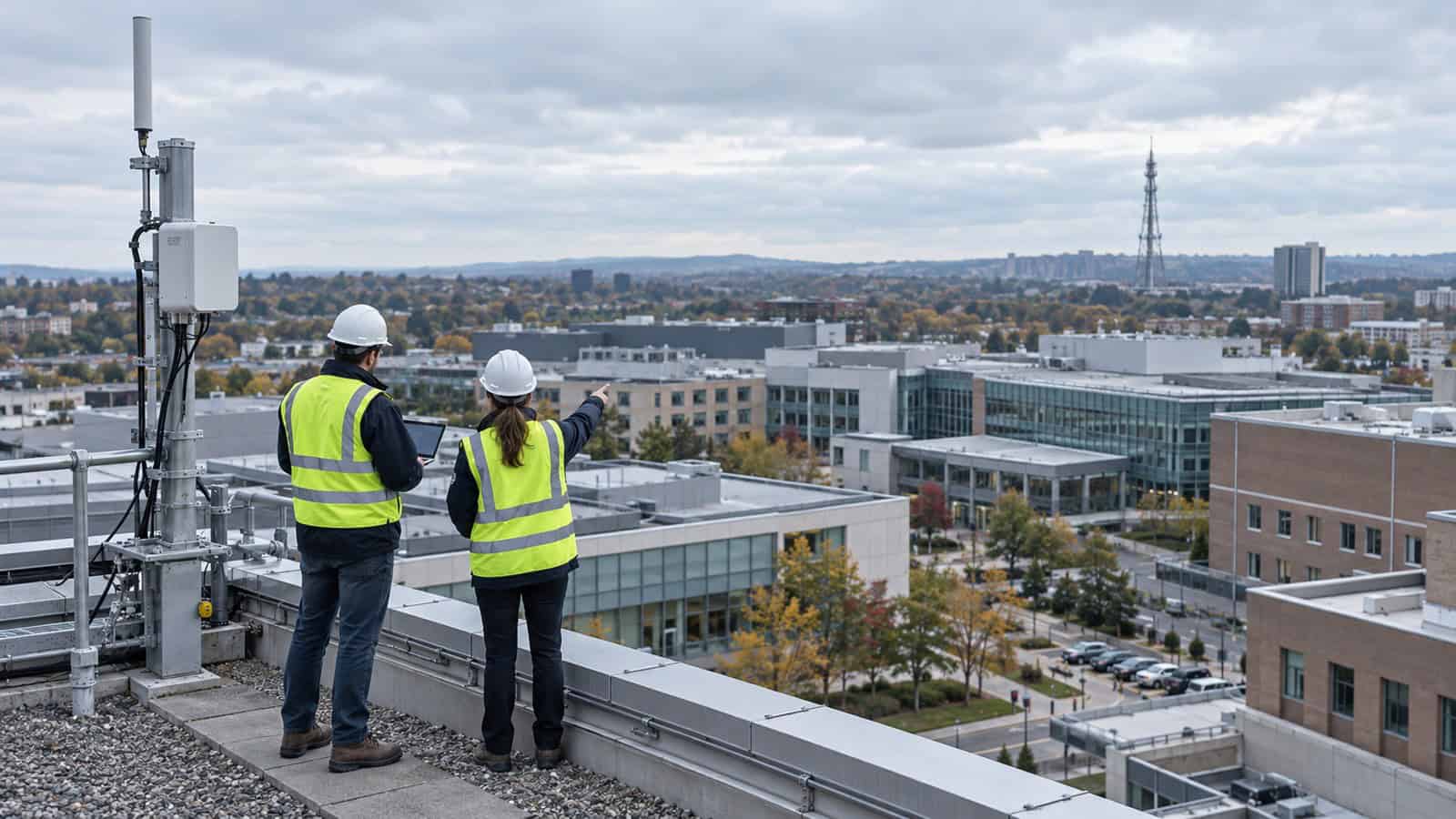
The Robustel R1520LG LoRaWAN Gateway supports a private LoRaWAN design with either an external network server or embedded ChirpStack, while a packet-broker strategy adds an inter-network traffic-exchange layer whose availability, policy and commercial ownership sit outside the gateway. The right model follows coverage control and service responsibility, not a general preference for “public” or “private”.
Compare the Operating Contracts
A private network owner chooses gateway locations, LNS policy, device onboarding, keys, backhaul and maintenance. That control is useful for factories, buildings or campuses, but it creates a 24/7 responsibility. A packet broker can allow participating networks to exchange selected traffic and extend reach without every party owning every gateway, but only where the required networks, agreements and routes are available.
Ask who owns each of these decisions:
- gateway placement and RF maintenance;
- device identity and session keys;
- routing and tenant policy in the broker;
- downlink eligibility and priority;
- incident evidence across network boundaries; and
- commercial settlement or fair-use rules.
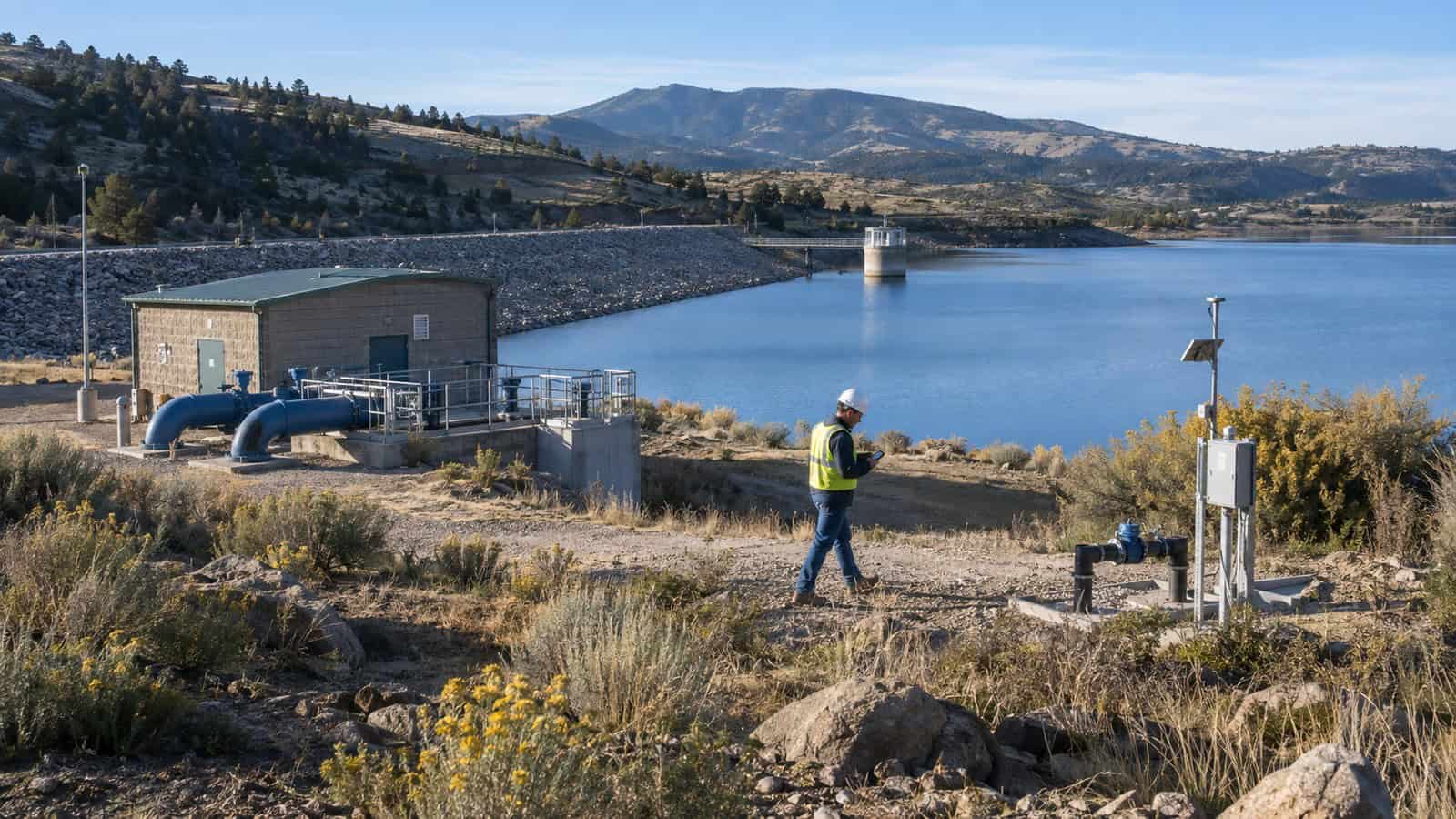
Robustel’s LoRaWAN smart-metering application example uses the R1520LG in a private building data path to an upstream platform. It is a practical reference for assigning gateway, LNS and application ownership before a broker is considered; the broker decision then adds route policy, participating-network support and commercial responsibility to that existing operating model.
If two organisations answer the same item, write the escalation path. If nobody does, the architecture has a gap.
One practical way to expose that gap is to run a support drill before commercial approval. Give the service desk a missing-uplink timestamp and ask it to identify the receiving gateway, route owner and next escalation without informal phone calls. If the trail stops at an external network name, the team has bought coverage without buying a workable incident process.
Coverage Control Has a Price
Private coverage can be surveyed, densified and changed for the site’s endpoints. It also requires capital, mounting access, backhaul and maintenance. Packet-broker coverage can reduce infrastructure duplication, yet the project must confirm that the required location and device traffic are accepted under the current service—not merely shown on a marketing map.
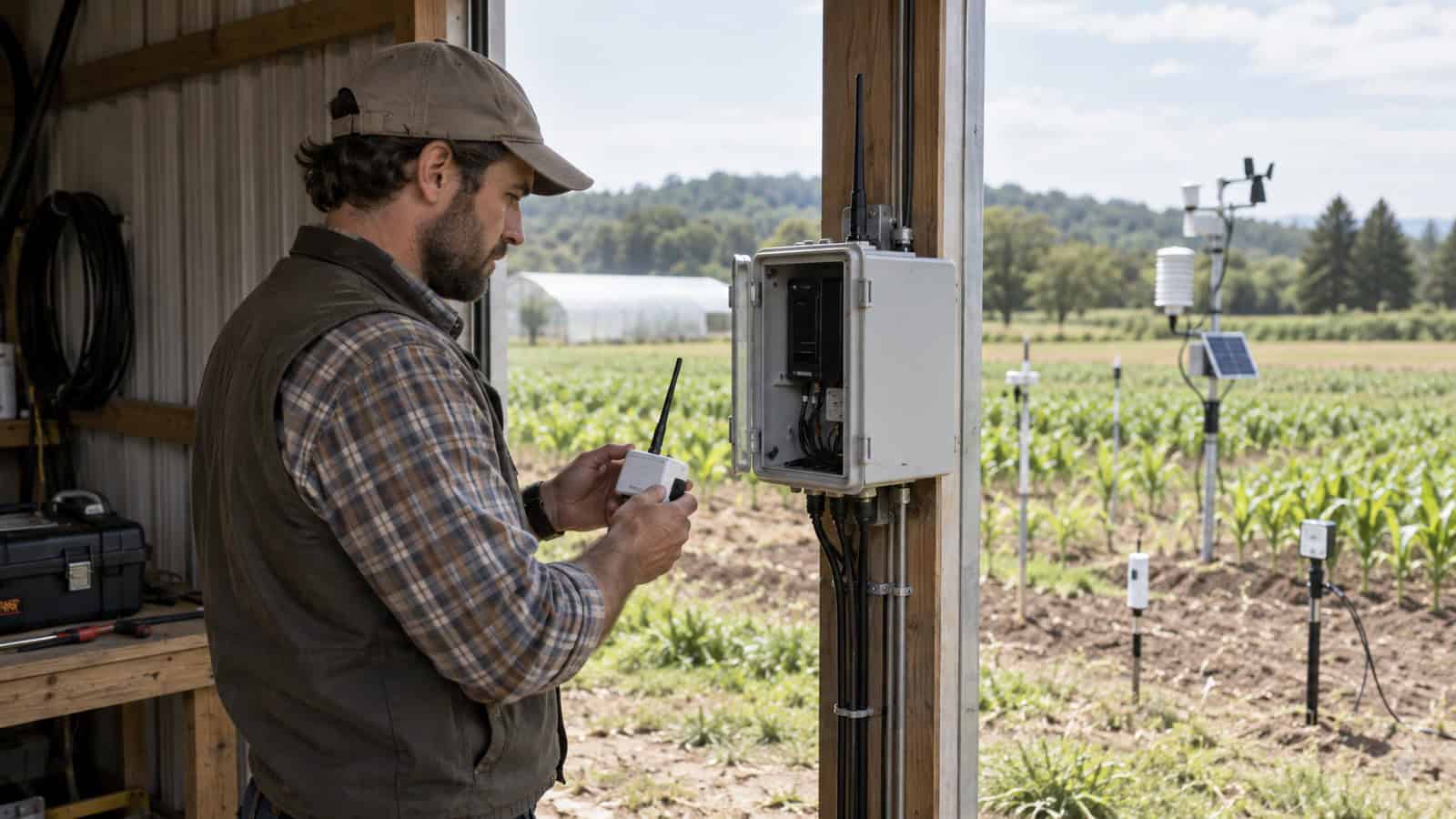
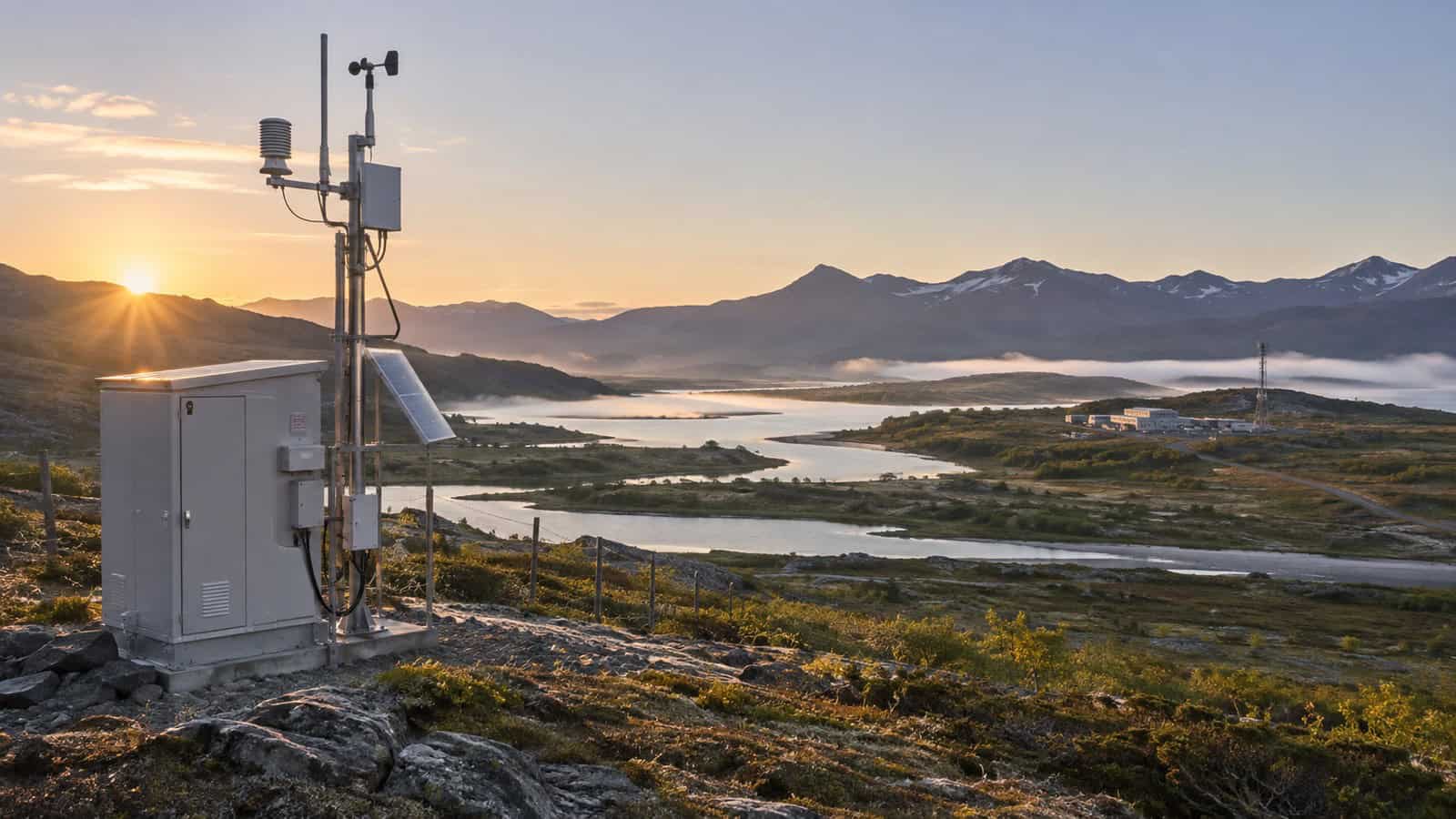
Robustel’s private smart-farm application example illustrates why an operator may prefer a network it can place and expand around its own terrain and sensors. It is an architecture example, so its distance and battery statements are not promises for another site.
Downlinks Expose the Real Difference
Uplinks are easier to share than time-critical downlinks. Confirm how acknowledgements, joins, commands and Class C traffic cross the broker, which network schedules the transmission and what happens when several gateways hear the same device. Latency, duty-cycle limits and route policy all matter.
For alarms or control, test the complete return path. If the application can receive a sensor update through shared coverage but cannot deliver the required response under the service agreement, the extended footprint is only half a network.
| Decision | Private coverage | Packet-broker participation |
|---|---|---|
| RF changes | Owner can survey and add gateways | Depends on participating networks |
| Device policy | Held in chosen LNS | Must align with exchange policy |
| Downlinks | Locally designed and tested | Route and scheduling need proof |
| Incident evidence | Within owned stack | Cross-party correlation required |
| Expansion cost | New gateway/backhaul/maintenance | Service and integration terms |
How the Robustel R1520LG LoRaWAN Gateway Supports Private Coverage
The Robustel R1520LG LoRaWAN gateway provides an eight-channel LoRaWAN radio, dual-SIM LTE, Ethernet, Wi-Fi and PoE-PD. It can forward to external LNS platforms using UDP, LoRa Basics Station or LORIOT, or host the documented embedded ChirpStack option. This gives a private-network operator flexibility over the server boundary without implying native packet-broker participation.
Use Robustel RCMS platform for supported gateway-fleet operations and keep device/session policy in the LNS. If a broker is added, document it as another service with its own monitoring and change control.
The Robustel video of “Why Do You Need a LoRaWAN Gateway?” helps stakeholders establish the gateway’s local network role before they evaluate whether a packet broker adds useful shared coverage or merely another service boundary.
Use a Two-Stage Pilot
First prove the application on owned coverage with known gateway and LNS evidence. Then introduce the broker route for selected devices and repeat joins, normal uplinks, duplicate reception, downlinks and incident correlation. This isolates the value and the new dependency.
Procurement should compare three-year operating responsibility, not only gateway count. Include support boundaries, data governance, service changes and the cost of diagnosing faults that span organisations.
FAQs
Q1. What is a LoRaWAN packet broker?
It is a service layer that exchanges LoRaWAN traffic between participating networks under defined routing and policy rules. It can extend reach, but it does not create coverage where no participating gateway can hear the device.
Q2. What is a private LoRaWAN network?
It is a network in which an organisation controls the gateways, network server and device policy for its own sites or users. That control also brings maintenance and security responsibility.
Q3. Can two LoRaWAN networks share gateways?
They can through compatible roaming or traffic-exchange arrangements. Device identity, routing, security, downlinks and commercial terms must all be agreed.
Q4. Does packet brokering improve LoRaWAN range?
It may expose additional participating gateways, but it does not change the radio range of a device or gateway. Usable coverage still depends on RF conditions and service participation.
Q5. Can the Robustel R1520LG LoRaWAN Gateway run a private network?
Yes. It can connect to supported external LNS architectures or use its embedded ChirpStack option. Packet-broker integration, if required, belongs to the selected network-server and service design.
Conclusion
The Robustel R1520LG LoRaWAN Gateway gives private-network owners a flexible gateway and LNS boundary; a packet broker can complement that design where shared coverage and policy are available. The preferred model is the one whose coverage changes, downlinks and incidents have a named owner.
Prove the owned path first, then add the exchange layer and measure the operational difference. That sequence keeps a commercial coverage promise from hiding a technical dependency.
Explore More Articles About Robustel LoRaWAN Gateways

About the Author
Robustel Editorial Team
The Robustel Editorial Team publishes practical articles on industrial connectivity, edge computing, LoRaWAN and device management, focusing on deployment considerations, technical limitations and long-term operation.