
Edge AI in Industrial IoT: What Makes Local Processing Practical in Real Deployments
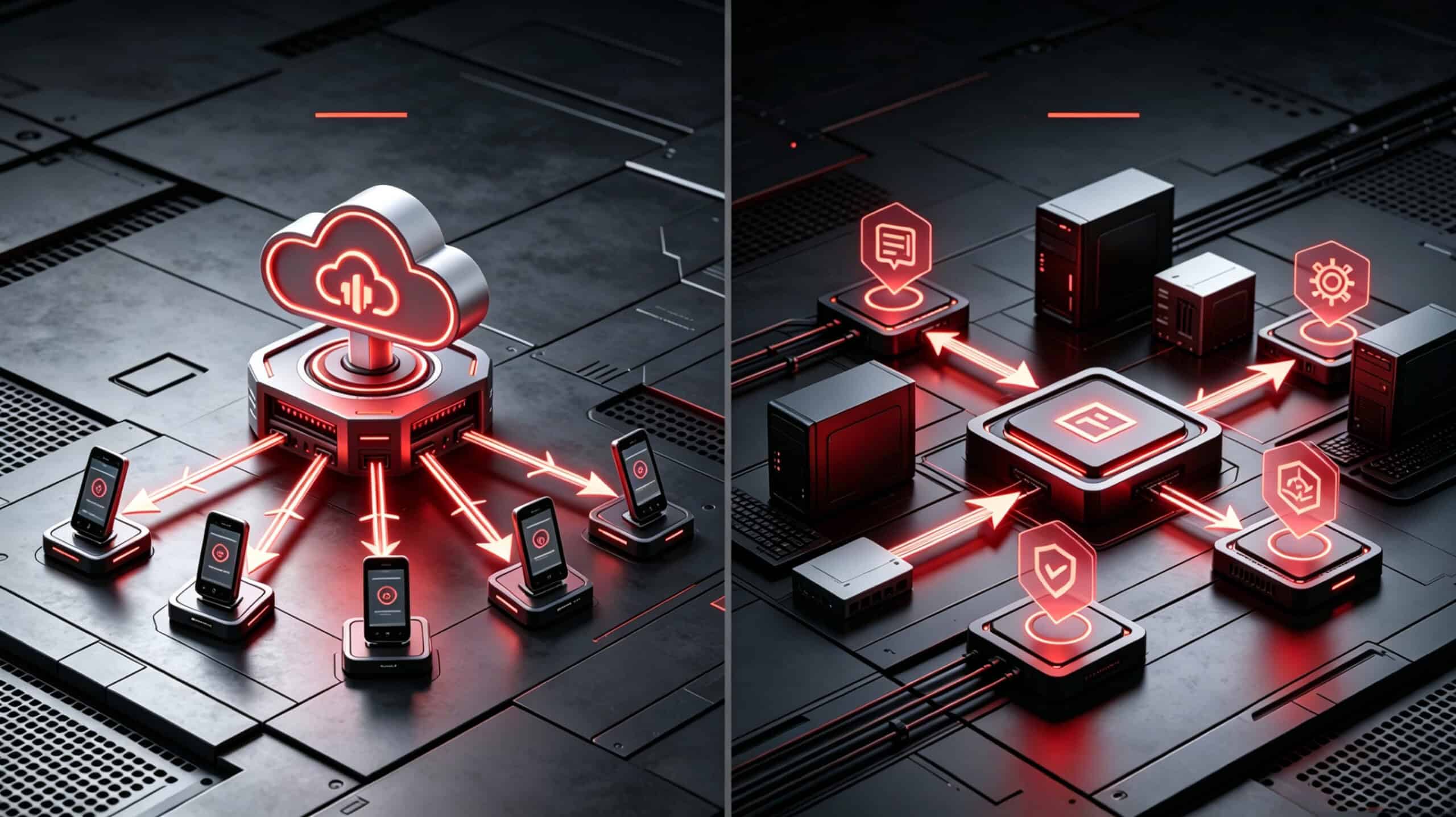
In industrial IoT environments, the discussion around Edge AI is gradually shifting from “what AI can do” to “what infrastructure is required to make local processing practical and maintainable”.
For many industrial operators, especially those managing distributed assets across remote or bandwidth-constrained environments, continuously transmitting raw operational data to centralized cloud platforms is becoming increasingly difficult to justify. High-frequency telemetry, video streams, and protocol-heavy industrial traffic can quickly create challenges around latency, bandwidth cost, and operational resilience.
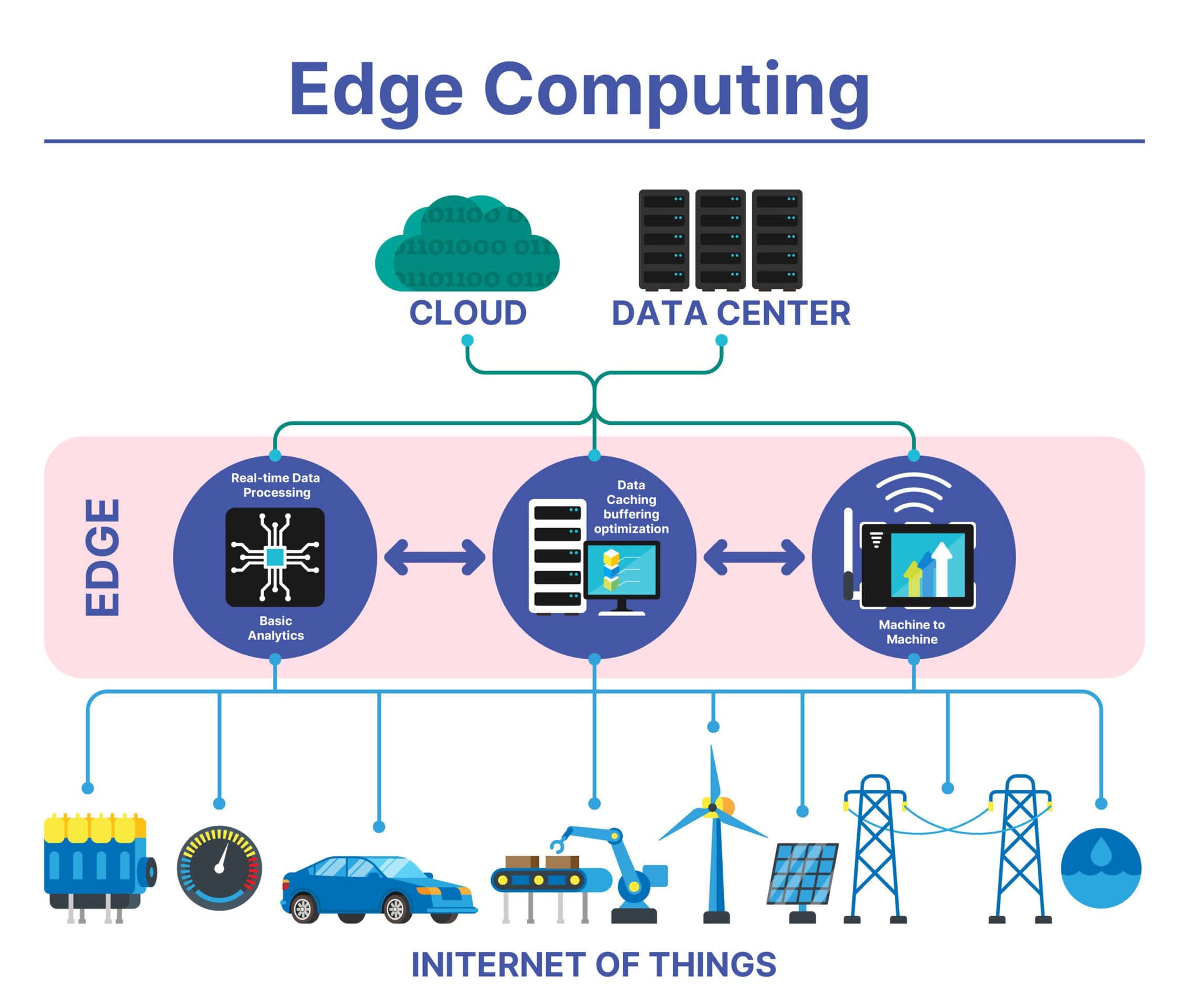
This is one of the reasons why local processing at the network edge is attracting growing attention in industrial architectures. Rather than treating edge devices as simple data pass-through nodes, organizations are beginning to evaluate how edge-side processing can reduce unnecessary upstream traffic while improving response times for operational events.
Why Cloud-Only Processing Creates Limitations in Industrial Environments
Cloud infrastructure remains essential for centralized analytics, long-term storage, and model training. However, in many industrial scenarios, relying entirely on cloud-side processing introduces practical constraints.
For example, remote industrial sites often operate under unstable or bandwidth-limited network conditions. Applications involving video-based inspection, high-frequency sensor polling, or event-driven monitoring may generate large amounts of data that are not always practical to transmit continuously over LTE, 5G, or satellite connections.
In these environments, transmitting only filtered or event-relevant data can significantly reduce unnecessary backhaul traffic. This approach is particularly relevant for distributed infrastructure such as:
- Remote utility stations
- Solar and energy installations
- Transportation networks
- Industrial automation environments
- Retail and ATM infrastructure
The concept is not necessarily about replacing the cloud, but rather about determining which workloads are more practical to execute locally.
This architectural balance is also reflected in guidance from organizations such as National Institute of Standards and Technology, which discusses distributed computing and edge processing as part of resilient cyber-physical systems.
Tips: For readers looking for a broader overview of how edge computing fits into industrial infrastructure, the following short video provides a practical introduction to the concept and its role in distributed IoT environments.
Where Local Processing Becomes Useful in Industrial IoT
The value of edge-side processing often depends on operational context rather than on AI capability alone.
Remote Monitoring Sites
In remote deployments, intermittent connectivity can make constant upstream transmission unreliable or expensive. Local processing can help filter unnecessary telemetry and prioritize operationally relevant events before transmission.
For example, an edge gateway may locally process sensor thresholds, protocol data, or event triggers before forwarding selected information to centralized systems.
Video-Based Inspection Workflows
Video-related industrial workloads can generate large amounts of traffic, especially when multiple cameras are deployed across distributed sites.
In some architectures, performing lightweight preprocessing or event filtering locally may reduce the amount of data that needs to be transmitted continuously to remote servers.
Protocol-Aware Data Handling
Industrial environments often involve a mixture of legacy OT protocols and modern IT infrastructure. Local edge devices may serve as an intermediary layer between serial-connected field devices and cloud-based platforms.
This becomes particularly relevant when handling protocols such as Modbus RTU, Modbus TCP, MQTT, or other industrial communication standards commonly found in operational environments.
In distributed industrial systems, interoperability between OT protocols and modern IT infrastructure remains an important architectural consideration, particularly as lightweight messaging standards such as MQTT become more widely adopted across industrial IoT environments.
What an Industrial Edge Gateway Needs for Local Processing Workloads
In industrial deployments, local processing is not only a compute challenge. It is also an infrastructure and maintainability challenge.
Before deploying edge-side applications, organizations typically evaluate whether the underlying gateway infrastructure supports requirements such as:
- Stable industrial connectivity
- Serial and Ethernet integration
- VPN and secure remote access
- Containerized or SDK-based application deployment
- Remote device management
- Protocol interoperability
- Environmental durability for industrial conditions
For many deployments, practical maintainability is often more important than theoretical processing capability. This is especially true in distributed environments where field devices may operate for extended periods without on-site technical access.
This is one reason why industrial edge computing platforms increasingly combine connectivity, local application environments, and remote management capabilities within the same infrastructure layer.
Edge AI Is Also an Infrastructure Challenge
One of the most overlooked aspects of Edge AI discussions is that successful edge deployments depend heavily on infrastructure reliability.
In practice, local processing workloads still rely on:
- Reliable network failover
- Secure remote maintenance
- Stable field connectivity
- OT/IT interoperability
- Environmental resilience
- Lifecycle management
Without these foundational layers, deploying local applications at scale can quickly become difficult to maintain operationally.
For industrial operators, the conversation is therefore moving beyond “AI capability” alone and toward broader questions around deployment practicality, infrastructure readiness, and long-term maintainability.
Practical Considerations Before Deploying Local Processing at the Edge
Before introducing local processing into industrial environments, organizations typically evaluate several operational factors:
- What data actually needs real-time processing?
- Which workloads are practical to run locally?
- How stable is the available network infrastructure?
- What level of remote maintenance is required?
- How will edge-side applications be updated and managed over time?
- Which protocols and legacy systems need to be integrated?
In many cases, the most effective architectures are hybrid approaches that combine centralized cloud orchestration with selective edge-side processing.
Rather than viewing Edge AI as a replacement for cloud infrastructure, industrial organizations are increasingly treating it as part of a broader strategy for improving operational responsiveness, bandwidth efficiency, and deployment resilience.
Closing Perspective
As industrial environments continue to generate larger volumes of operational data, the discussion around Edge AI is becoming increasingly tied to infrastructure practicality rather than AI capability alone.
For many organizations, the challenge is no longer whether local processing is possible, but how to deploy and maintain it reliably across distributed industrial environments.
In practice, successful edge architectures often depend on a balanced combination of connectivity reliability, protocol interoperability, remote maintainability, and selective local processing — particularly in environments where network conditions, operational continuity, and infrastructure constraints must all be considered together.
Preguntas frecuentes
Q1: Can Edge AI completely replace the cloud in industrial architectures?
A: In most industrial environments, edge and cloud infrastructure are typically used together rather than as direct replacements for one another. Cloud platforms remain important for centralized analytics, long-term data storage, and large-scale model training, while edge-side processing is often used for local responsiveness, protocol handling, or bandwidth optimization in distributed environments. In practice, many industrial architectures adopt a hybrid approach that balances centralized orchestration with selective local processing.
Q2: How can local processing help reduce bandwidth usage in industrial environments?
A: In distributed industrial environments, continuously transmitting raw sensor data or video streams to centralized platforms can create unnecessary bandwidth usage, particularly over LTE or satellite connections. Local processing allows edge devices to filter, preprocess, or prioritize operationally relevant data before transmission. In some applications, this may significantly reduce upstream traffic while improving responsiveness for event-driven monitoring workflows.
Q3: Why is local processing useful in environments with unstable connectivity?
A: In remote or distributed industrial environments, network conditions may not always be stable enough for continuous cloud-dependent processing. Local processing allows certain operational tasks or data handling functions to continue closer to field devices, even during temporary connectivity interruptions. This can help reduce dependency on continuous upstream communication while improving operational flexibility in bandwidth-constrained environments.
Acerca del autor
Robert Liao | Technical Support Engineer
Robert is an IoT Technical Support Engineer at Robustel, specializing in industrial networking and edge connectivity. A certified Networking Engineer, Robert focuses on the deployment and troubleshooting of large-scale IIoT infrastructures. His work centers on architecting reliable, scalable system performance for complex industrial applications, bridging the gap between field hardware and cloud-side data management.