
5G Router Link-Flap Troubleshooting: Evidence to Capture for Carrier Escalation
The Robustel R5020 Industrial 5G Router exposes cellular, route, VPN and management states that can be correlated during a link flap; capture those states on a synchronized timeline before rebooting, moving antennas or changing bands. A screenshot taken after recovery usually removes the transition evidence a carrier needs.
A useful escalation pack shows whether the modem lost registration, the data session changed, the route moved, the tunnel reset or only the application failed. It also protects credentials and personal data so evidence can be shared without creating a second incident.
Freeze the baseline before changing the site
Record the exact router SKU, firmware, modem version, SIM/ICCID reference (redacted for sharing), APN, carrier, radio mode, antennas, power source, location, time zone and NTP status. Capture normal signal and registration for long enough to show the healthy range before the next event.
Do not reboot, reseat the SIM or force a band until the first evidence bundle is saved. Those actions may restore service, but they also reset counters and change the condition being investigated. Name the person authorised to make the first change and the condition that triggers it.
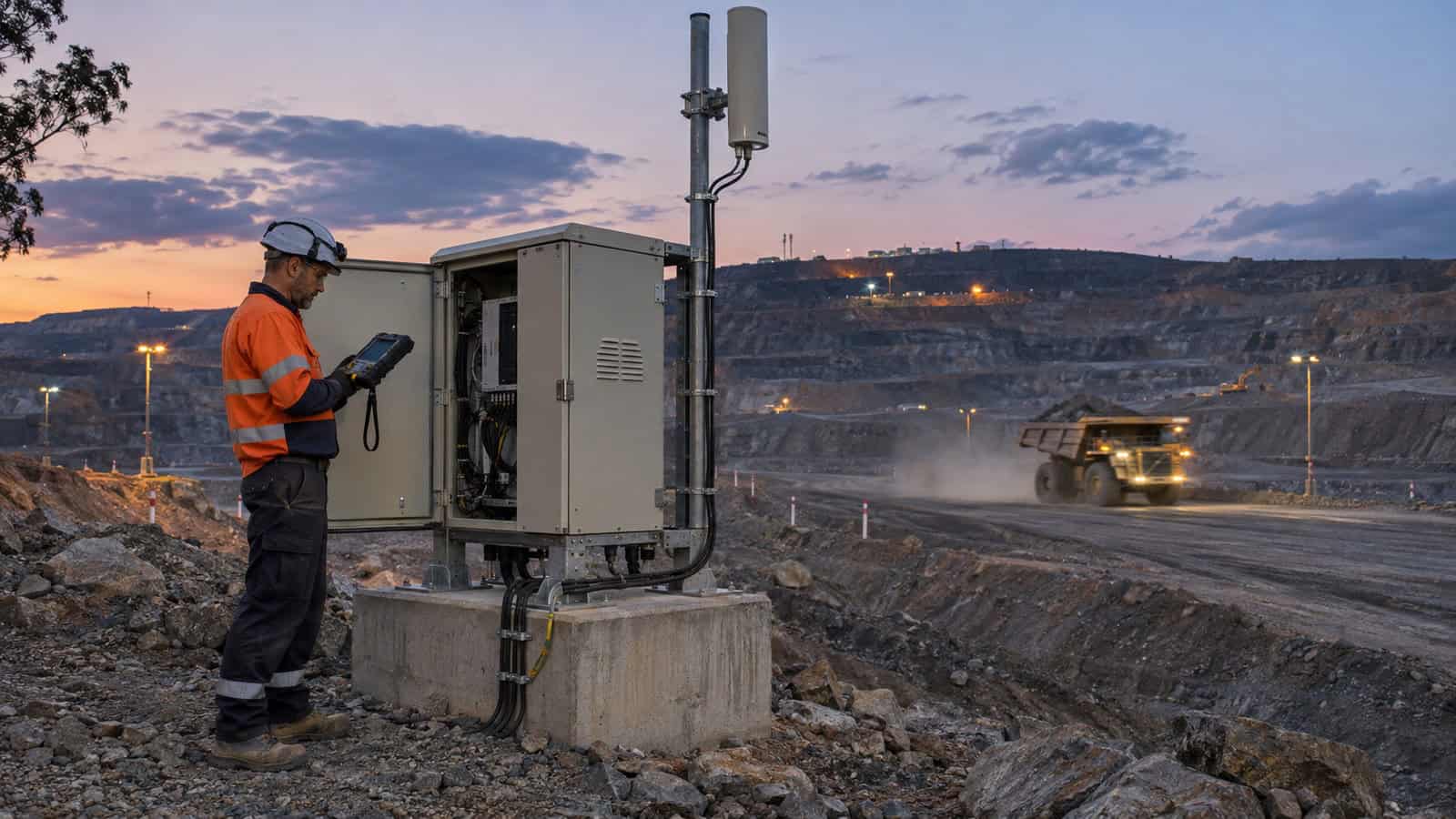
The Robustel video “Where Are Industrial 5G Routers Used in Real IoT Deployments?“ is useful for identifying whether the router is fixed, mobile, in-vehicle or exposed to changing power and RF conditions. That site category determines which baseline variables matter.
Capture one synchronized event across six layers
Use UTC or another explicitly recorded time zone. The router, probe host, VPN peer and application logger should agree closely enough that event order is unambiguous.
| Layer | Capture before, during and after | What it separates |
|---|---|---|
| Power/device | uptime, reboot reason, supply alarms | network flap from device restart or brownout |
| Radio | RSRP/RSSI, RSRQ, SINR, band, cell ID, network mode | RF change from core/session failure |
| Registration/SIM | registration state, operator, SIM switch, reject cause | carrier attach from subscription/SIM issue |
| Data session | assigned address, APN, session state | registration from usable IP service |
| Route/VPN | default route, active WAN, tunnel state | WAN recovery from secure-path recovery |
| Anwendung | numbered probes or transactions | network recovery from service recovery |
Keep sampling intervals fast enough to see the transition but proportionate to storage and management traffic. Preserve the raw export as well as any chart.
Diagnose the sequence, not the loudest symptom
If signal deteriorates before registration is lost, investigate RF, antennas, location and serving-cell changes. If radio metrics remain stable but the session drops or the carrier rejects attachment, the evidence points toward subscription, APN or mobile-core investigation. If the data session remains up while the VPN and application fail, escalate internally to the network or application owner before blaming the radio link.
| Symptom | Likely domains | Discriminating evidence | Owner of next action |
|---|---|---|---|
| router uptime resets | power, hardware, firmware | reboot reason and supply history | site power or device owner |
| registration cycles | RF, carrier, SIM | signal trend, cell/band and reject cause | RF engineer or carrier |
| address changes only | PDP/session or carrier policy | session log and APN | carrier/network team |
| VPN drops after address change | tunnel/NAT recovery | peer logs and negotiation timeline | VPN owner |
| application fails with stable tunnel | DNS, server, session retry | transaction log | application owner |
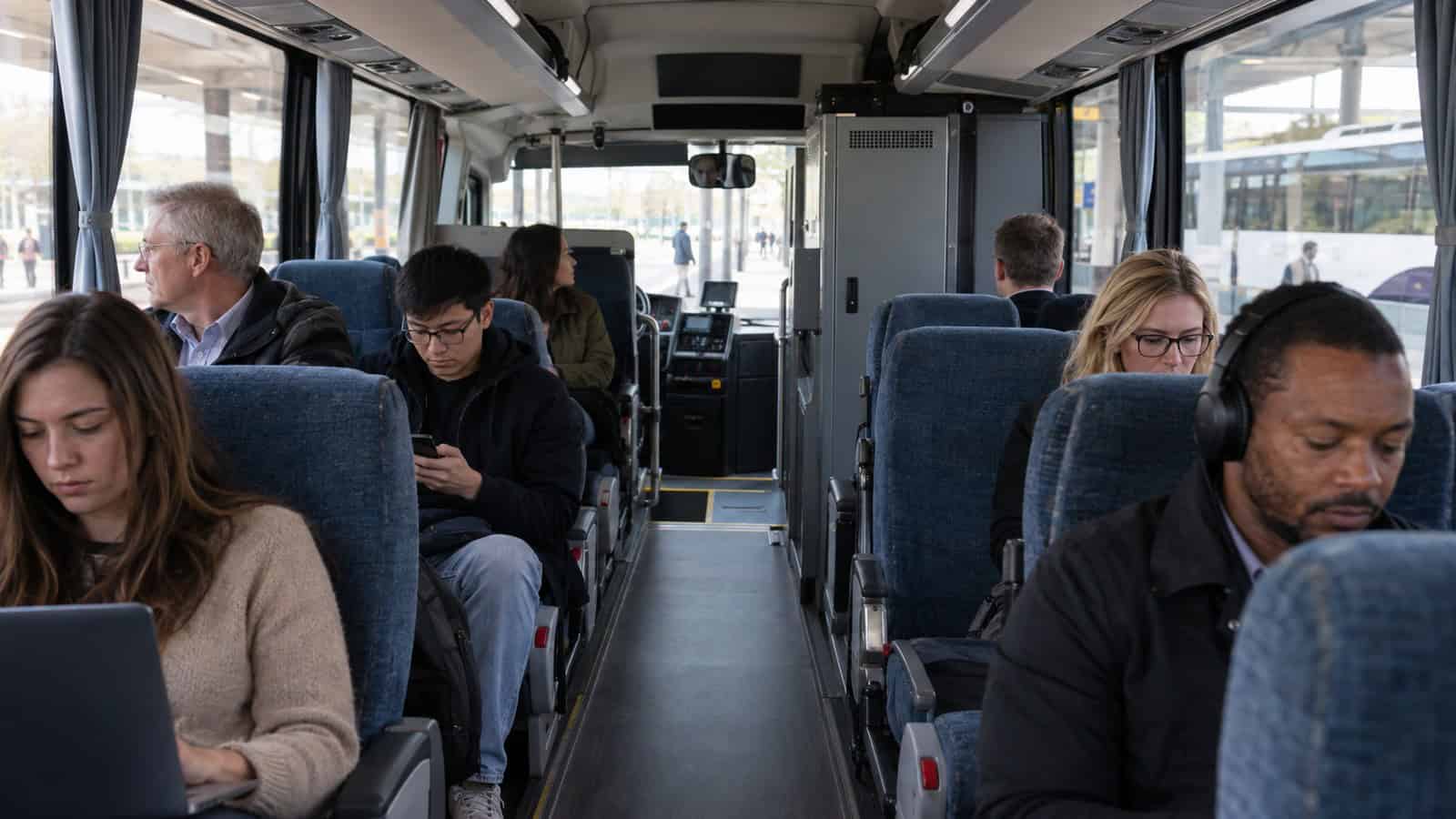
Robustel’s R5020 emergency-services vehicle application example illustrates a moving installation where cells, bands and antenna conditions can change rapidly. Mark location and movement alongside the network event so the carrier can distinguish a repeatable coverage boundary from a stationary fault.
How Robustel R5020 Industrial 5G Router supports carrier-ready evidence
The Robustel R5020 Industrial 5G Router supports 5G/4G/3G, dual SIM, configurable WAN roles, VPNs and RCMS monitoring. These capabilities allow the evidence pack to cover the cellular device, selected path and secure service. Dual SIM may help compare subscriptions, but a switch also changes the experiment and should be logged as an event.
| Site pain | Verified capability | Evidence mechanism | Acceptance boundary |
|---|---|---|---|
| intermittent cellular changes | cellular status and multi-band operation | signal, operator, band and registration history | timestamps correlate with probe loss |
| uncertain failover | dual SIM and configurable WAN paths | active SIM/path and route log | transition is distinguished from recovery |
| remote sites lose context | RCMS logs and diagnostics | export device and estate events | raw record retained before changes |
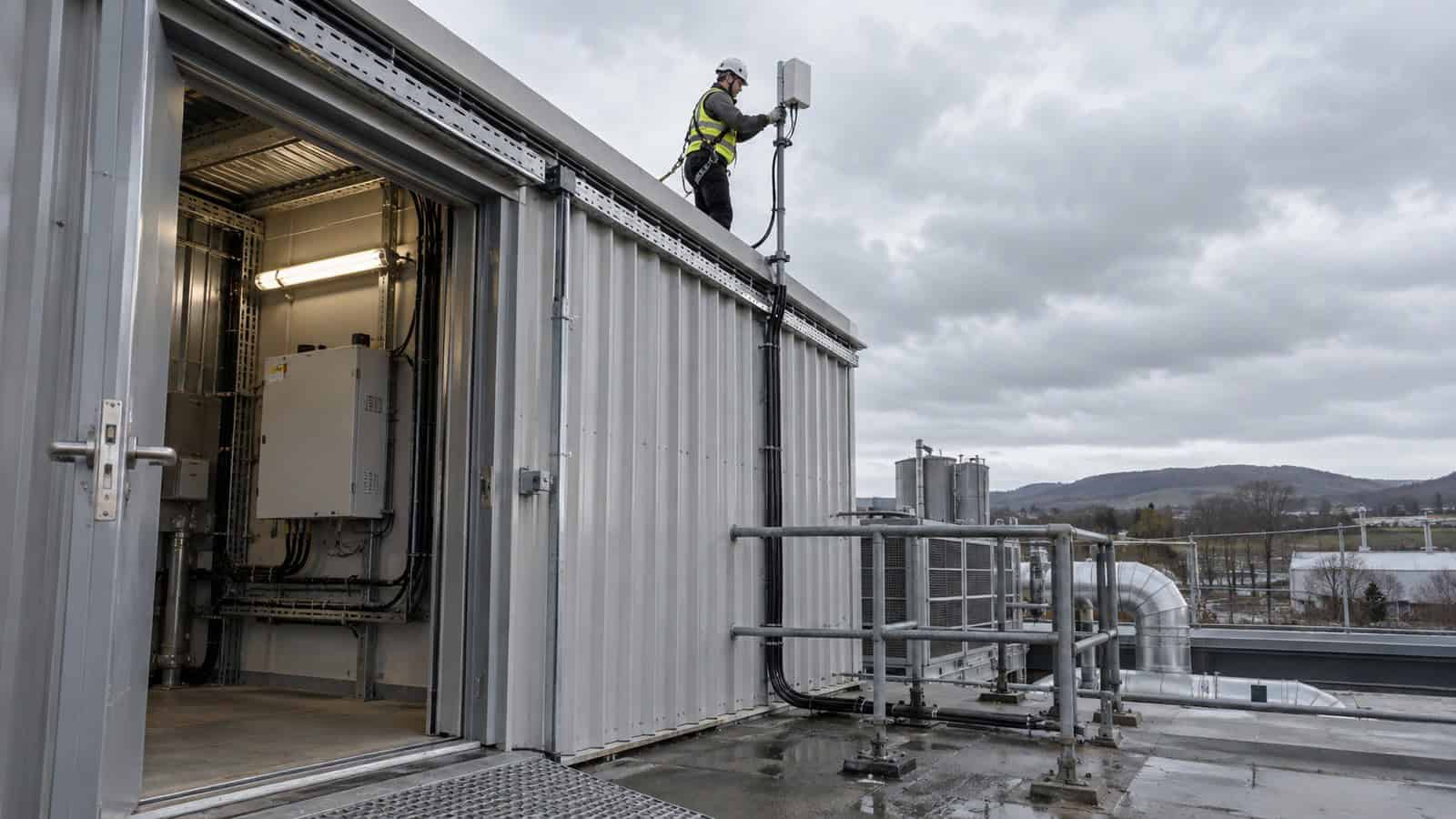
Robustel’s high-speed branch-office R5020 application example provides a fixed-site contrast. Where a stationary branch flaps, keep antenna position and local traffic stable during baseline capture so the carrier receives a controlled comparison.
Redact the pack without destroying diagnostic value
Remove usernames, passwords, private keys, full IMSI/ICCID values, private customer addresses and payload data unless the recipient and handling process explicitly require them. Preserve the last few identifier digits only when needed to match the carrier account.
Keep cell identifiers, band, timestamps, reject causes, signal measurements and session state when policy permits; these fields often carry the diagnostic value. Store an unredacted original in the authorised incident system and share a redacted copy through the approved support channel.
Send the carrier a reproducible escalation
The escalation should state impact, frequency, first/last occurrence, exact site, affected SIM, device and modem versions, time zone, normal baseline, event sequence and changes already attempted. Attach a short timeline and raw logs. Ask a specific question, such as whether the recorded reject cause or cell transition appears in the carrier trace.
Close the incident only after the agreed observation window passes with no unexplained flap, or after a remaining risk is accepted. A temporary reconnection is not proof that the cause has been removed.
Häufig gestellte Fragen
Q1. What are common causes of network flapping?
They include unstable power, marginal RF, antenna faults, serving-cell or band changes, SIM or subscription problems, APN/session resets, carrier maintenance, routing changes and tunnel recovery faults.
Q2. What should I do when a 5G router stops working intermittently?
Preserve the baseline and capture synchronized radio, registration, address, route, tunnel and application states before rebooting. One controlled change should follow the evidence, with its result recorded.
Q3. Why can 5G stop while signal still looks good?
Signal level is only one layer. Registration, authentication, the data session, IP addressing, routing, VPN and application service can fail even when received power remains acceptable.
Q4. Should I reset a router during a link-flap incident?
Only after the required logs and counters are saved and the incident owner authorises the action. A reset may restore service but can erase the transition that explains the fault.
Q5. What evidence can the Robustel R5020 Industrial 5G Router provide for a carrier escalation?
Use its cellular and route states, dual-SIM/path events, VPN status and RCMS logs to build a timestamped sequence. Redact credentials and personal data while retaining signal, cell, band, registration and session evidence.
Schlussfolgerung
The Robustel R5020 Industrial 5G Router is best suited to evidence-led link-flap diagnosis when its cellular, routing, tunnel and RCMS records are captured before corrective changes. Those records help assign the incident to power, RF, carrier, VPN or application ownership without treating every disconnect as the same fault.
Give the carrier one synchronized, redacted timeline and a precise question. Keep the raw baseline internally, record every change and require a stable observation period before declaring recovery.
Explore More Articles About Robustel 5G Routers
Über den Autor
Robustel Editorial Team
The Robustel Editorial Team publishes practical articles on industrial connectivity, edge computing, LoRaWAN and device management, focusing on deployment considerations, technical limitations and long-term operation.