
LoRaWAN Smart Infrastructure Architecture: Buildings, Utilities and Cities
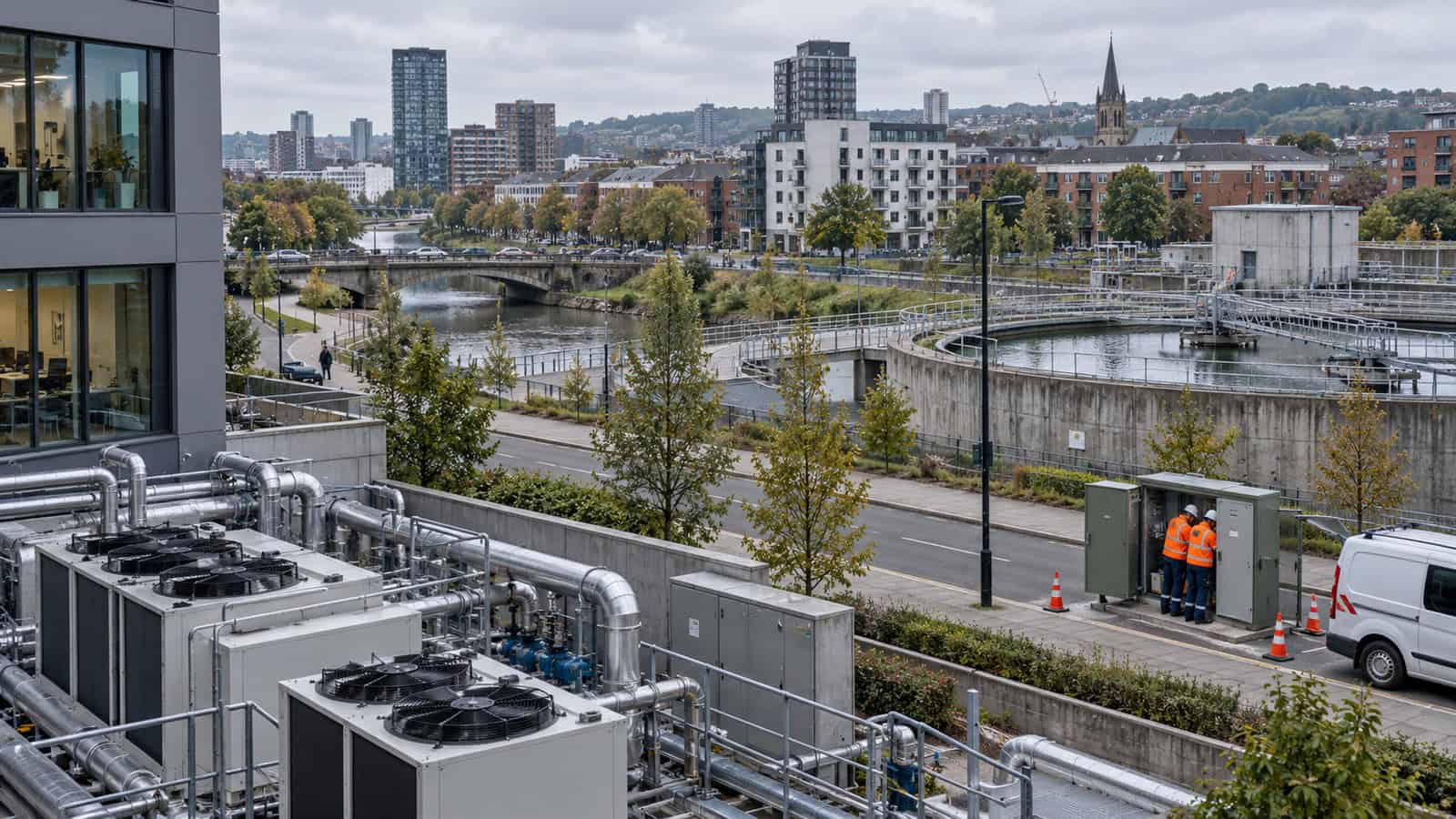
The Robustel LG3120e LoRaWAN Edge Gateway suits smart infrastructure where LoRaWAN radio, local interfaces and edge processing must meet at one managed site, but buildings, utilities and cities do not share one universal architecture. Follow a single sensor event through the layers to decide where the gateway, LNS, local workflow and northbound application should sit.
Follow One Reading from Field to Application
A temperature, meter or level reading begins at an endpoint, crosses the LoRa radio path, reaches one or more gateways, enters the LNS and is decoded for an application. Each transition can preserve or lose identity, timing and quality context. Designing the path around the reading makes ownership clearer than starting with a list of products.
Robustel video “What Is a LoRaWAN Gateway?” provides a concise introduction to this path. Use it to align non-specialists, then document the actual LNS, decoder and application boundaries.
Buildings, Utilities and Cities Put the Boundary in Different Places
| Environment | Dominant constraint | Useful gateway role | Architecture question |
|---|---|---|---|
| building | materials, floors and BMS integration | indoor coverage plus local wired/edge integration | who owns decoded data and building-system mapping? |
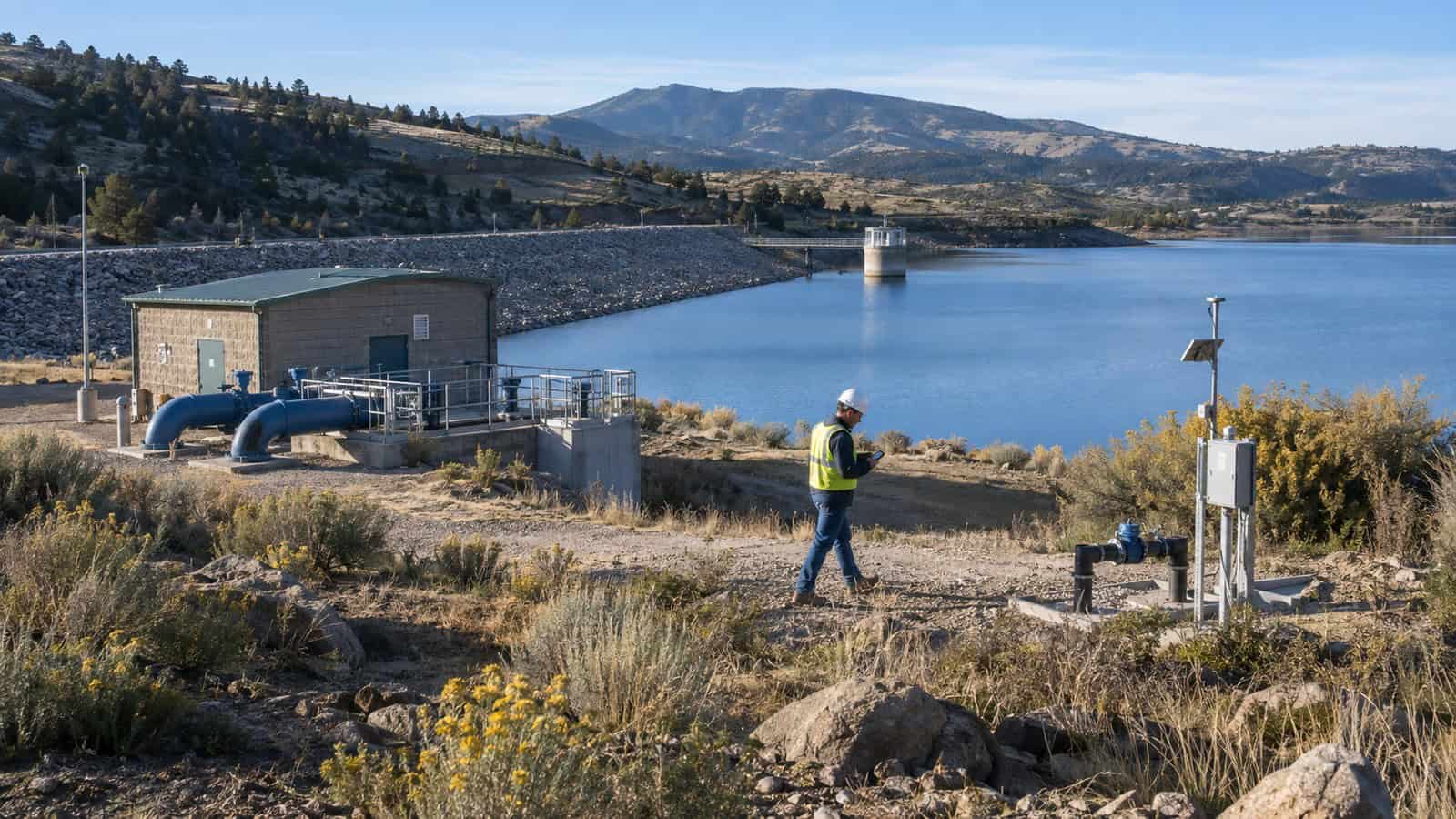
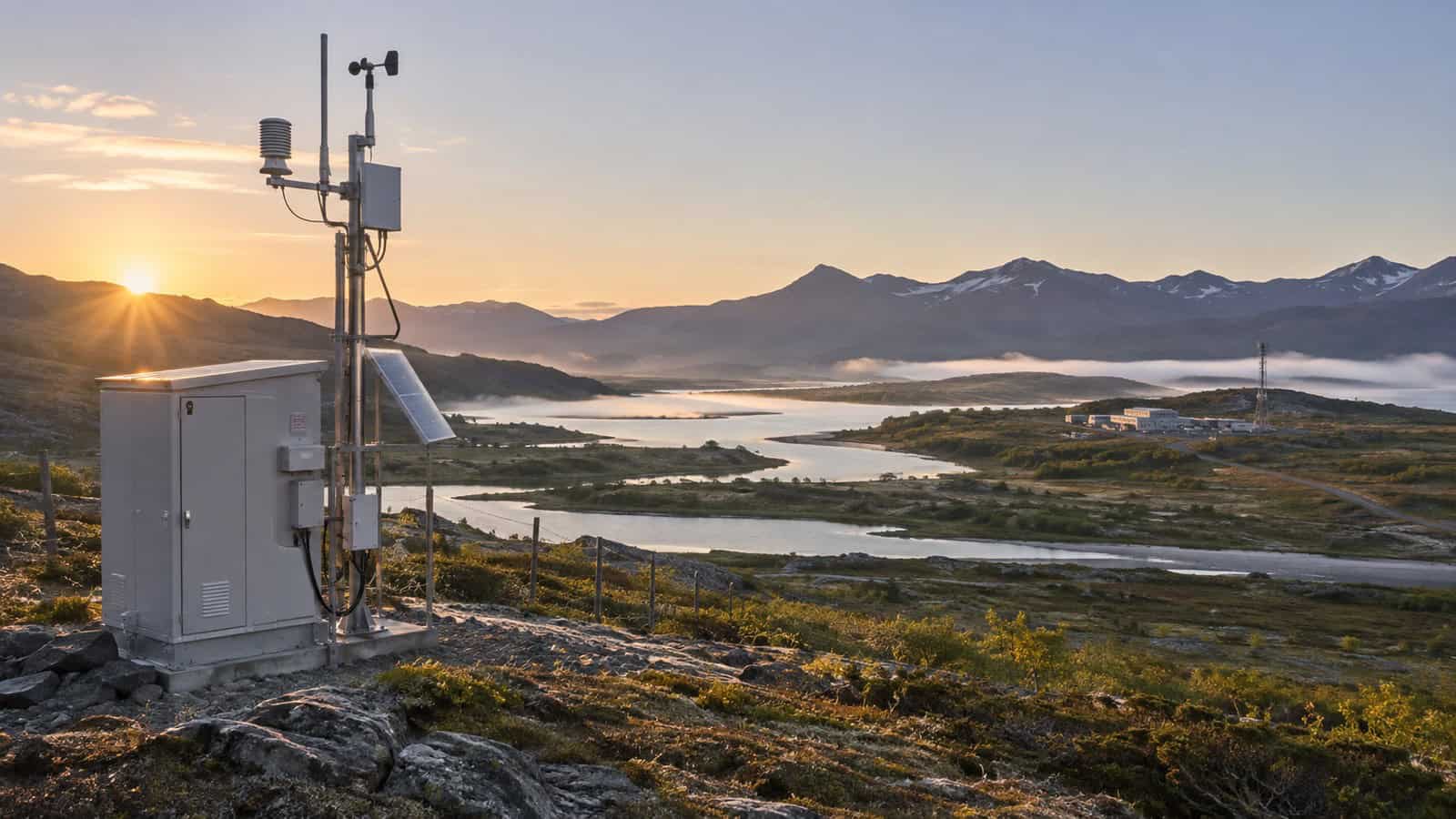
| utility | dispersed assets, power and backhaul | ruggedised site connection and buffering/workflows | what must continue during WAN loss? |
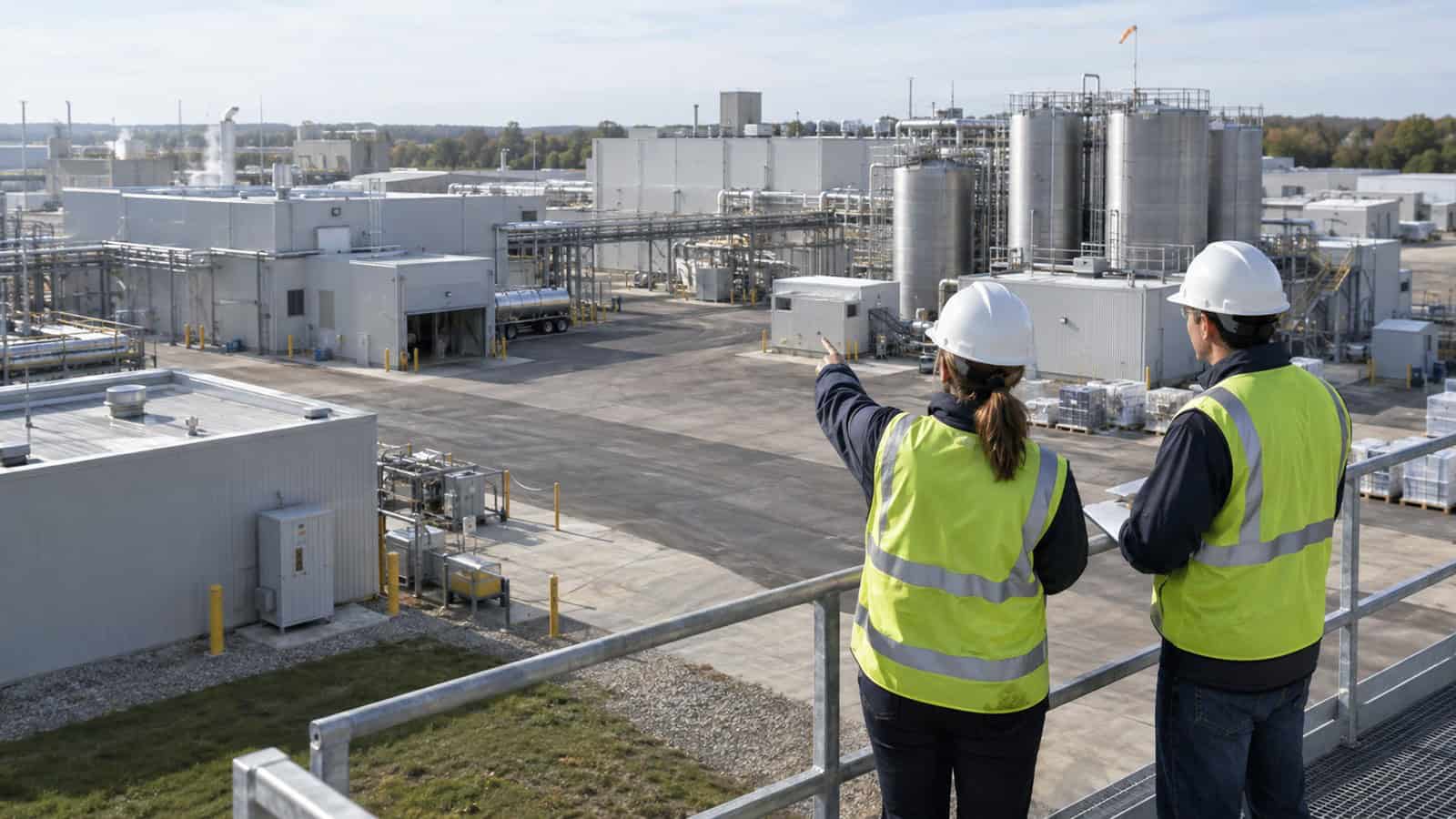
| city | many public sites and mixed ownership | repeatable coverage and centrally managed backhaul | how are gateways, street assets and applications separated? |
Robustel’s LoRaWAN smart-building application example illustrates sensors, gateway connectivity and BMS integration as distinct parts of a wider design. The useful takeaway is to define where payload meaning is added and who maintains that mapping when sensors or building systems change.
Decide Where Local Work Is Worth Owning
Local decoding, buffering, visualisation or alarms can reduce dependence on a remote platform for selected tasks. They also create an application lifecycle at the site: configurations need backup, storage needs limits and local workflows need testing after updates.
For deployments built on Robustel LG3120e, Robustel’s E2C Field adds the documented operational layer for LoRaWAN configuration, data collection, local workflows, alarms and northbound integration. The gateway establishes the radio, wired-interface and compute boundary; the matched application can make commissioning and ongoing data visibility more coherent than assembling unrelated tools for each site.
How the Robustel LG3120e LoRaWAN Edge Gateway Fits Mixed Infrastructure
Robustel LG3120e LoRaWAN Edge Gateway combines LoRaWAN gateway capability with 4G, Ethernet and Wi-Fi connectivity, serial and I/O interfaces, and an edge-computing environment. That profile is useful where wireless sensors coexist with local equipment and the site needs more than packet forwarding.
| Site need | LG3120e role | Validation |
|---|---|---|
| LoRaWAN reception | gateway radio path | verify regional frequency plan and antenna placement |
| mixed local equipment | serial and I/O integration where supported | prove exact interface and protocol mapping |
| local application | edge compute and compatible E2C Field layer | test workload, storage and recovery |
| remote operations | cellular/Ethernet/Wi-Fi backhaul and RCMS | assign configuration and incident ownership |
Do not extend the E2C Field pairing to another gateway in the portfolio. In a multi-model architecture, keep LG3120e and its software role explicit so forwarding-only gateways are not mistaken for local application nodes.
Scale Coverage Without Losing Data Ownership
Adding gateways can improve reception diversity, but the LNS must deduplicate frames and the device registry must remain authoritative. Plan naming, regional parameters, decoder versions and site ownership before the estate grows.
Robustel’s nationwide LoRaWAN backhaul case study shows the importance of separating radio coverage from the backhaul service across a wide estate. For smart infrastructure, that same separation helps teams decide whether a fault belongs to the endpoint, gateway, mobile service or application.
Commission the Architecture as a Chain
Test a known endpoint from transmission to application display. Record gateway reception, LNS event, decoded value, measurement time and alarm outcome. Then remove backhaul and confirm which local functions continue and how the data path recovers.
The handover should identify antenna locations, gateway and LNS credentials, device ownership, decoder version, northbound interfaces and the person responsible for each alarm. A drawing without those operating details is not a commissioned architecture.
よくある質問
Q1. What is LoRaWAN used for in smart cities?
It is commonly used to connect low-power sensors and meters across distributed infrastructure. The final design still needs gateway coverage, an LNS, payload handling and an application service.
Q2. How far can LoRaWAN transmit?
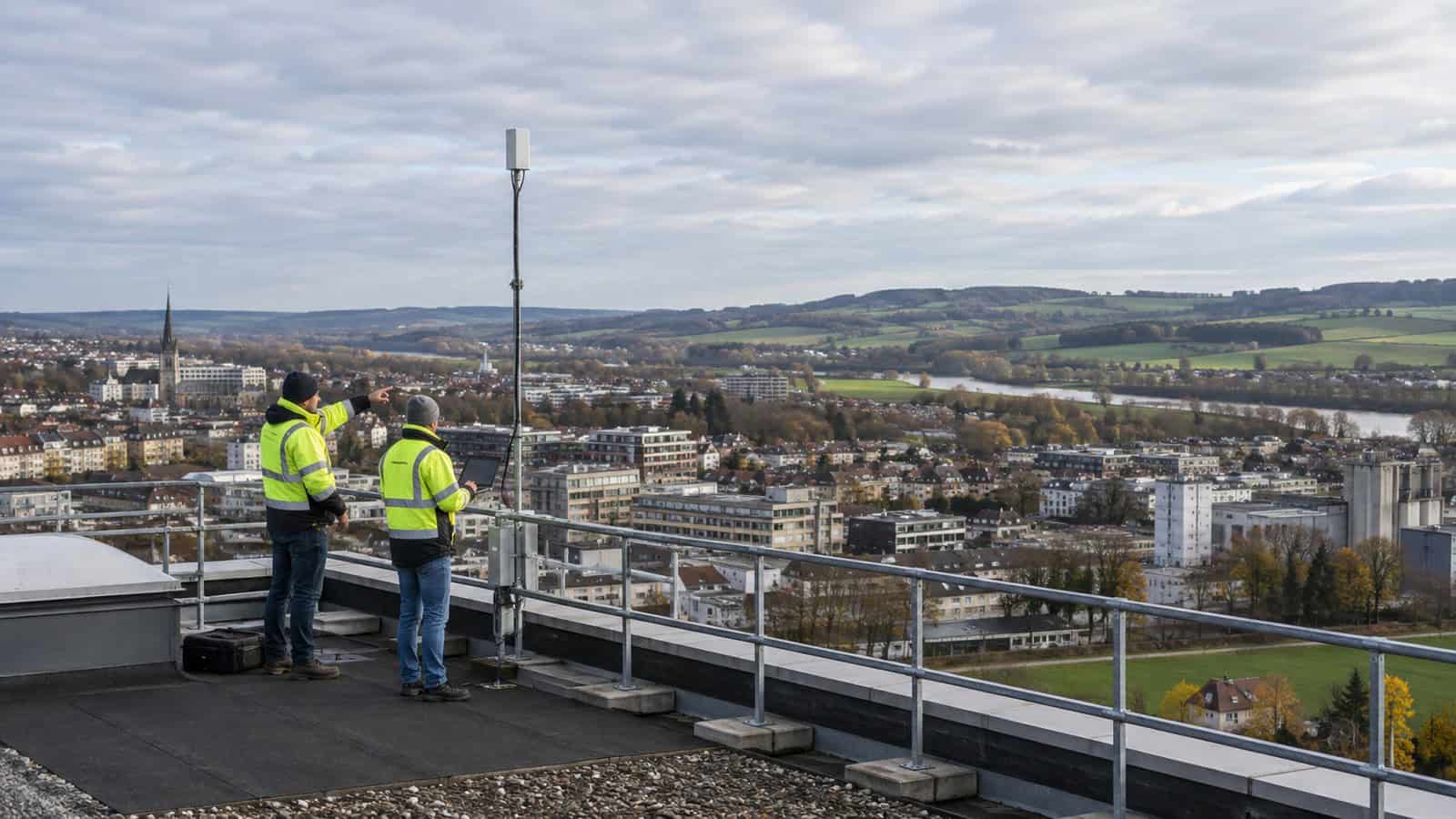
Range varies with antenna placement, terrain, materials, interference, regional settings and data rate. Survey the actual site rather than using one published distance.
Q3. Can LoRaWAN work inside buildings?
Yes, but reinforced concrete, metal services, shafts and low-emissivity glass can create uneven paths. Survey representative floors and difficult rooms.
Q4. Is LoRaWAN suitable for utility metering?
It can suit low-rate metering where the endpoint, frequency plan, coverage, payload and reporting interval are compatible. Billing-grade or regulatory requirements need separate validation.
Q5. What does the Robustel LG3120e LoRaWAN Edge Gateway add?
It combines LoRaWAN connectivity with local interfaces, edge compute and backhaul options. With E2C Field on the supported LG3120e pairing, projects can add a documented operational data and workflow layer at the site.
結論
The Robustel LG3120e LoRaWAN Edge Gateway fits smart infrastructure that genuinely needs radio, local integration and edge operations in one site node. Simpler forwarding sites may be better served by a more focused gateway, while complex building or utility sites can justify the additional local role.
Approve the architecture by tracing one reading end to end and one outage back again. If identity, timing, ownership and recovery remain clear at every layer, the design can expand across buildings, utilities or cities without turning into an opaque sensor network.
Explore More Articles About Robustel LoRaWAN Gateways
著者について
Robustel Editorial Team
The Robustel Editorial Team publishes practical articles on industrial connectivity, edge computing, LoRaWAN and device management, focusing on deployment considerations, technical limitations and long-term operation.