
LoRaWAN Gateway Range Guide: Buildings, Cities and Rural Sites
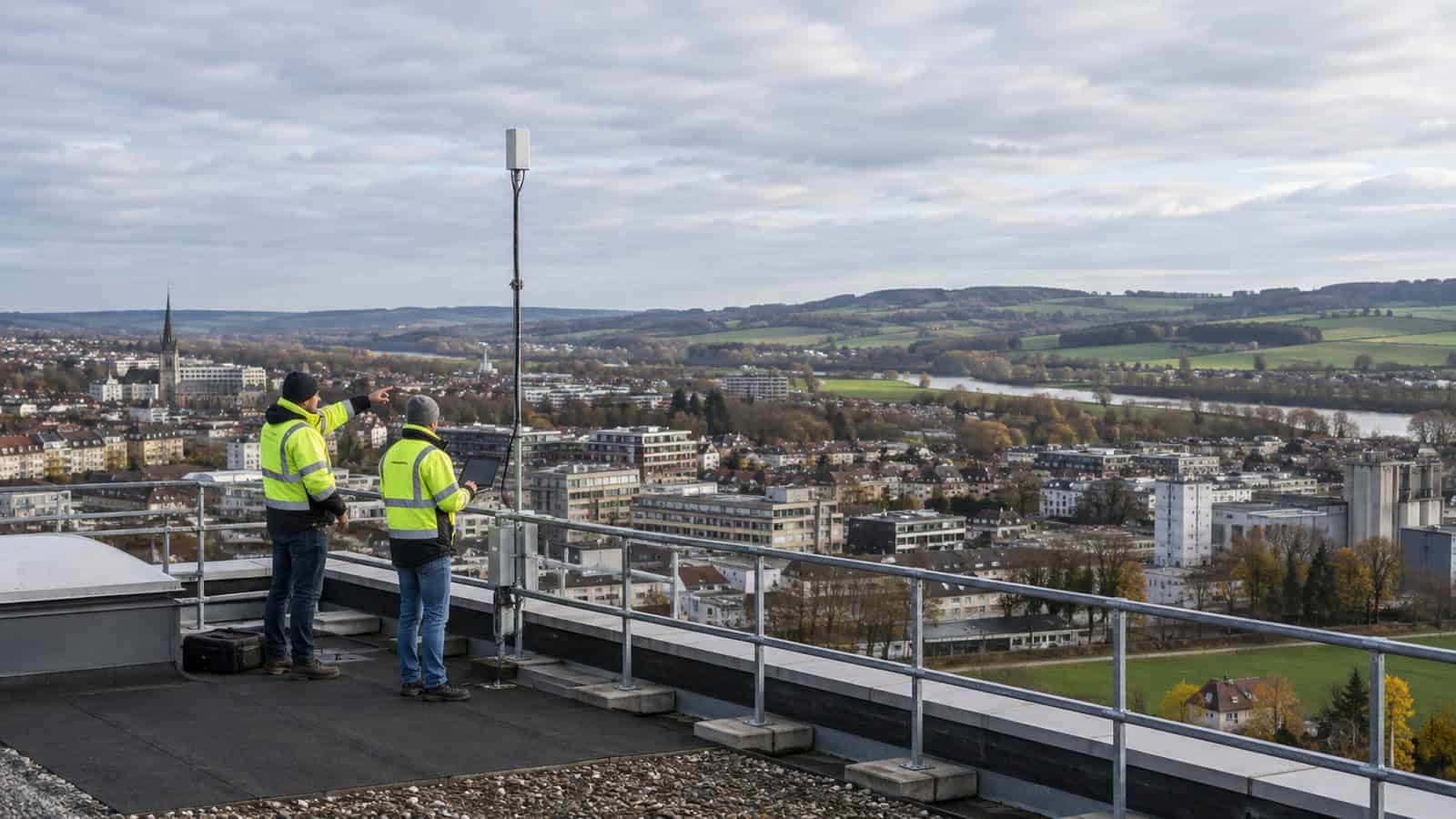
The Robustel R1520LG LoRaWAN Gateway can serve buildings, outdoor estates and distributed industrial sites, but its usable range cannot be reduced to one distance. Gateway height, antenna system, walls, terrain, endpoint installation, regional plan, data rate and interference all contribute to the result.
Range planning should therefore produce a measured coverage map and a gateway-placement decision. A successful packet in an open demonstration is not evidence that a sensor inside a basement plant room will work with the same margin.
Buildings: Materials and Floors Shape the Radio Path
Reinforced concrete, metal plant, lift shafts, low-emissivity glazing and service risers create highly uneven paths. A gateway on the top floor may cover outdoor sensors well and miss equipment below ground. Central floor area is not automatically the best position when dense mechanical infrastructure surrounds it.
Survey each distinct construction zone and the hardest sensor locations. Keep doors, machinery and occupancy in representative states where possible. One additional gateway placed near a basement or remote wing can be more predictable than trying to solve every path with antenna gain.
Cities: Height Helps, but Urban RF Is Variable
Urban installations combine building shadowing, reflections, rooftop constraints and changing interference. Elevation may improve line of sight, yet long feeder cable, unsuitable antenna patterns or poor grounding can remove the expected benefit.
Also inspect the IP backhaul. A gateway can hear endpoints while its cellular, Ethernet or Wi-Fi path to an external network server is unavailable. Radio coverage and service availability should be recorded separately.
Rural Sites: Distance Is Only One Variable
Open terrain can support long links, but hills, vegetation, seasonal crop growth, remote power and weather exposure still matter. Endpoint antennas close to wet ground or inside metal enclosures can limit a link even when the gateway is mounted high.
An IP30 gateway such as the R1520LG needs a suitable outdoor enclosure if installed in an exposed location. The enclosure, cable entries, condensation, solar load and surge design are part of the coverage system because they constrain antenna and gateway placement.
Coverage Survey Matrix
| Environment | First locations to test | Common hidden variable | Likely design response |
|---|---|---|---|
| Multi-storey building | Basement, plant room, far stair core | Reinforced structure and metal services | Additional receiving point or new gateway location |
| Urban estate | Street canyon, roof edge, interior room | Shadowing, reflections and backhaul variation | Elevation plus measured antenna/feed design |
| Rural land | Terrain dip, tree line, remote enclosure | Vegetation, endpoint height and power | Gateway height or additional site |
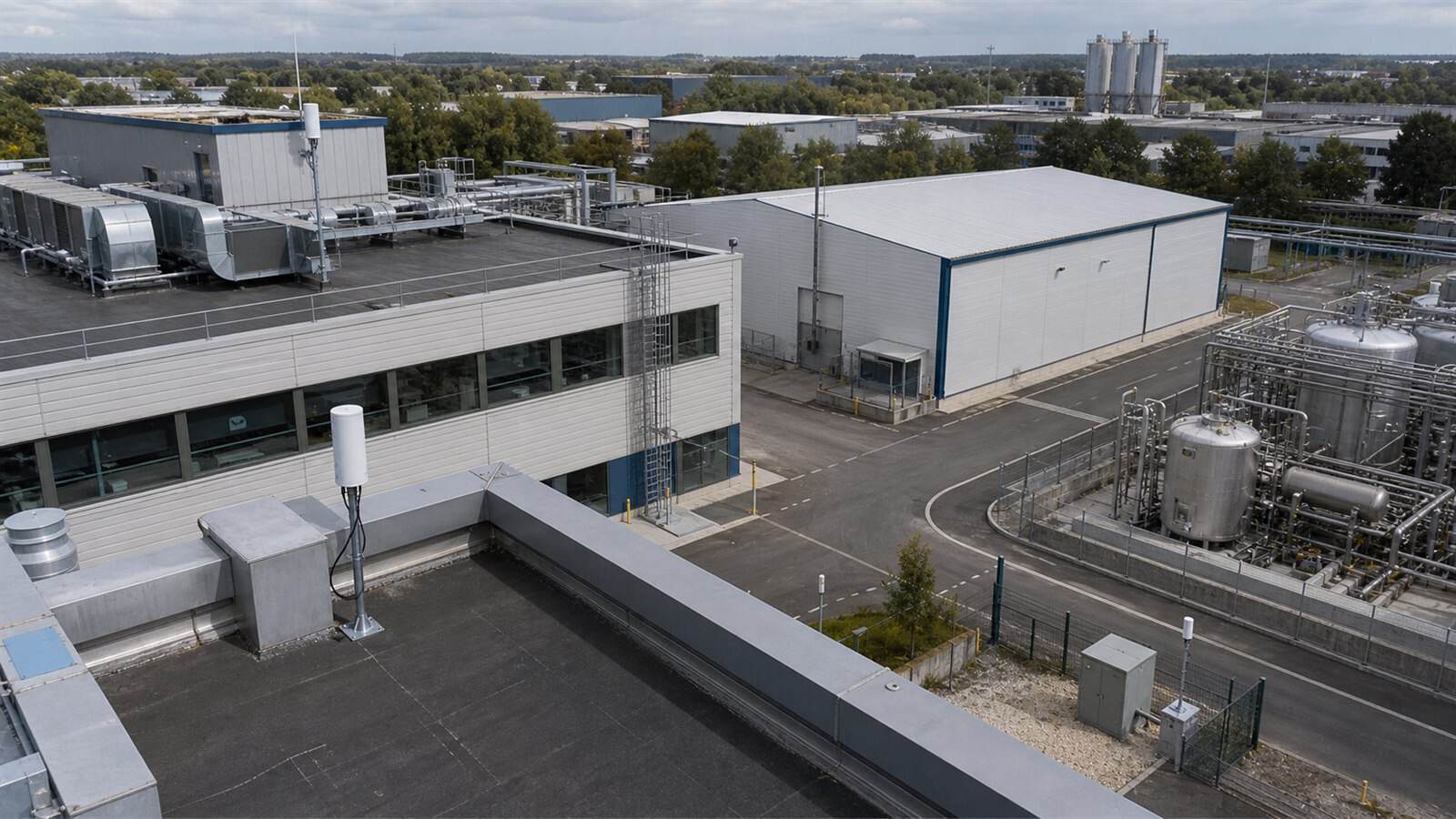
| Industrial plant | Behind machines, tanks and partitions | Moving metal and electrical activity | Survey during operation; diversify placement |
How the Robustel R1520LG LoRaWAN Gateway Supports Site Testing
The R1520LG supports up to eight simultaneous receive channels and documented regional plans, with cellular, Ethernet and Wi-Fi backhaul options. Its external antenna connection and mounting choices allow engineers to test practical positions without assuming that any one layout is correct.
The gateway supports LoRaWAN V1.0.4 Class A and Class C according to current documentation. Device class, reporting interval and downlink pattern influence airtime and should be included in the range test. A packet received at the slowest data rate may consume more airtime than the capacity model allows at scale.
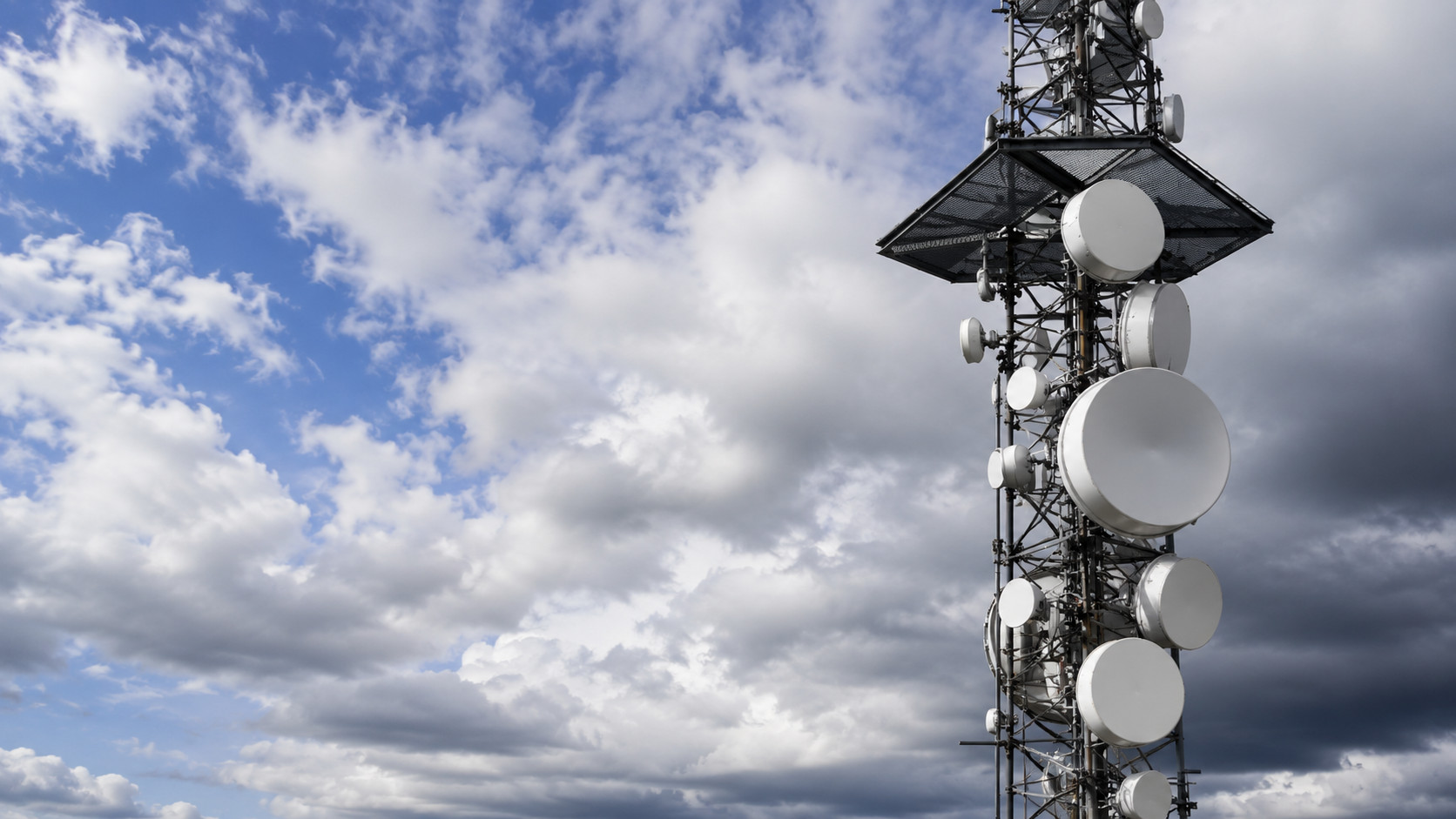
Robustel’s Voytech Systems LoRaWAN BMS case study documents R1520-LG use across real building conditions. It shows why fewer cables and difficult indoor paths can make LoRaWAN attractive, while the actual project results remain site-specific.
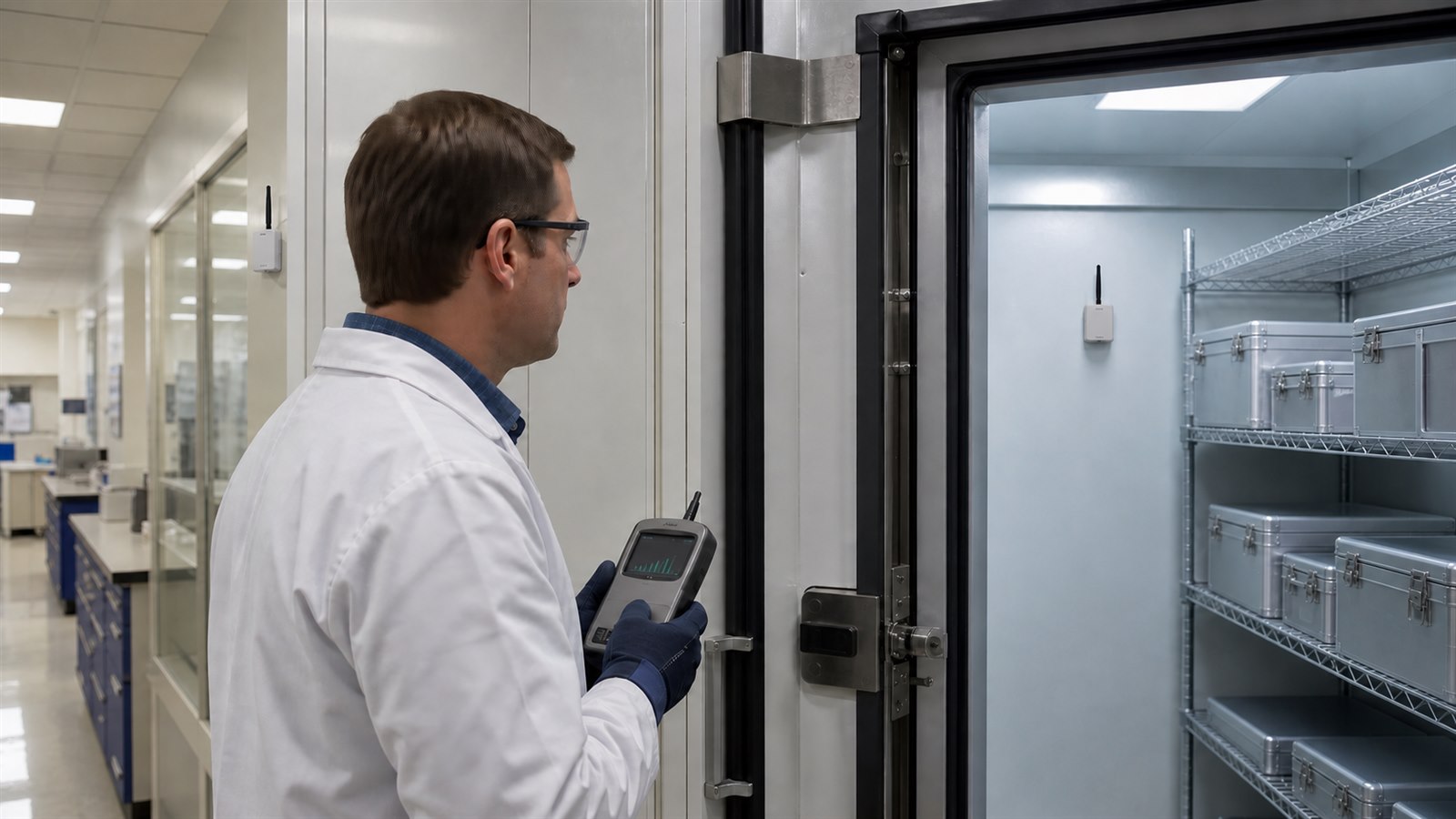
Another Robustel’s KoolZone cold-chain case study adds deployment evidence from refrigeration and laboratory environments, where equipment and insulated structures complicate radio planning.
Convert Survey Results into Gateway Placement
Record gateway and endpoint coordinates, heights, antennas, regional settings, data rate, received metrics, packet delivery and backhaul state. Repeat marginal points rather than accepting one successful message. Test alarm and downlink behaviour if the application relies on it.
| Result | Interpretation | Action |
|---|---|---|
| Strong reception and repeatable delivery | Candidate covered point | Retest after final mounting |
| Packets only at slow data rate | Coverage may consume more airtime | Review capacity and placement together |
| Intermittent reception | Low margin or changing environment | Reposition or add gateway diversity |
| Gateway receives but application misses data | LNS, codec or backhaul issue | Trace beyond the RF layer |
| No reception inside enclosure | Endpoint installation dominates | Review antenna and enclosure design |
The Robustel LoRaWAN Gateway Portfolio webinar can help teams understand gateway and LNS roles before the field exercise. It is not a substitute for measurements.
よくある質問
Q1. What is the range of a LoRa gateway?
There is no dependable single figure for a real deployment. Buildings, terrain, antenna height, feeder loss, regional settings, endpoint design and data rate all change the usable result, so range should be expressed as a surveyed coverage area rather than a brochure radius.
Q2. Can LoRaWAN go through walls?
It often can, but every wall adds loss and metal structures can create deep shadows. Test the hardest rooms, plant areas and below-ground spaces with the intended endpoint and gateway positions instead of extrapolating from an open-field result.
Q3. What is a LoRaWAN gateway used for?
It receives LoRaWAN radio traffic from end devices and forwards it towards the network-server architecture over an IP backhaul. It is a bridge in that system, not by itself a guarantee of application delivery or a fixed coverage distance.
Q4. How far can LoRa go?
Long links are possible in favourable line-of-sight conditions, but record-setting distances are poor planning inputs for buildings or cities. A useful design target is the distance at which the required packet delivery is repeatable under the site’s normal interference, weather and installation conditions.
Q5. How should the Robustel R1520LG LoRaWAN Gateway be deployed for reliable coverage?
Place it only after a site survey has identified the difficult endpoint zones and a practical antenna position. Because the unit is IP30, exposed outdoor installations need a suitable enclosure; final acceptance should cover the antenna system, backhaul and application delivery as well as the radio link.
結論
The Robustel R1520LG LoRaWAN Gateway is a flexible platform for measured LoRaWAN coverage across buildings and distributed sites, with several choices for backhaul and LNS placement.
Survey difficult points, document the complete antenna and endpoint installation, then add gateways where margin or capacity requires them. A repeatable map is worth more than a generic range figure.
Explore more articles about Robustel’s LoRaWAN gateways in industrial IoT:
著者について
Robert Liao | Technical Support Engineer
Robert is an IoT Technical Support Engineer at Robustel, specializing in industrial networking and edge connectivity. A certified Networking Engineer, Robert focuses on the deployment and troubleshooting of large-scale IIoT infrastructures. His work centers on architecting reliable, scalable system performance for complex industrial applications, bridging the gap between field hardware and cloud-side data management.