
LoRaWAN Cold-Chain Gateway Architecture Guide: Warehouse RF Zones and Alarm Delivery
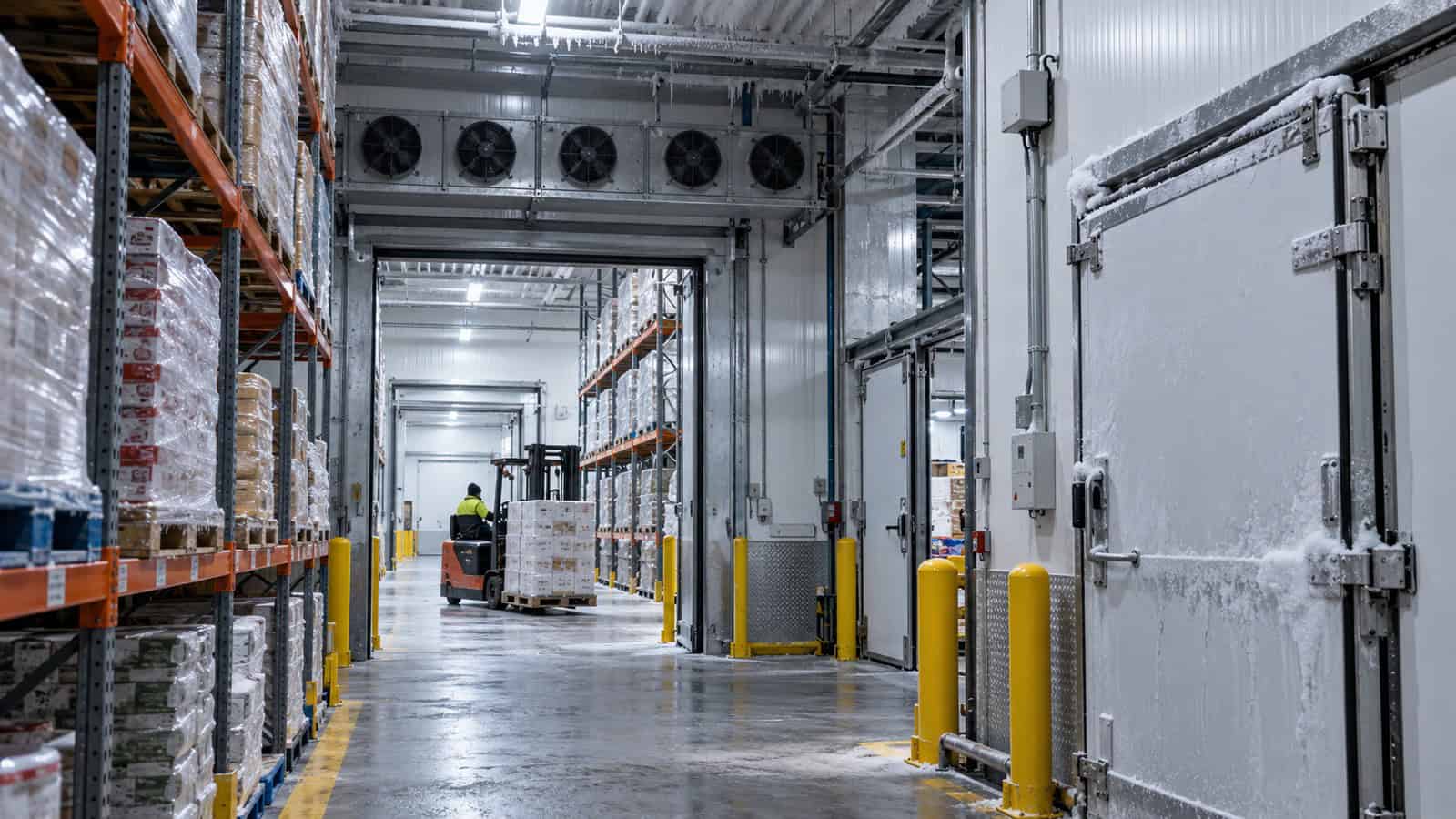
The Robustel R1520LG LoRaWAN Gateway is well suited to warehouse cold-chain projects that need an indoor LoRaWAN gateway with Ethernet, cellular and Wi-Fi backhaul options, provided each cold room is surveyed as its own RF zone and alarm delivery is proved beyond the gateway.
Divide the Warehouse by RF Behaviour
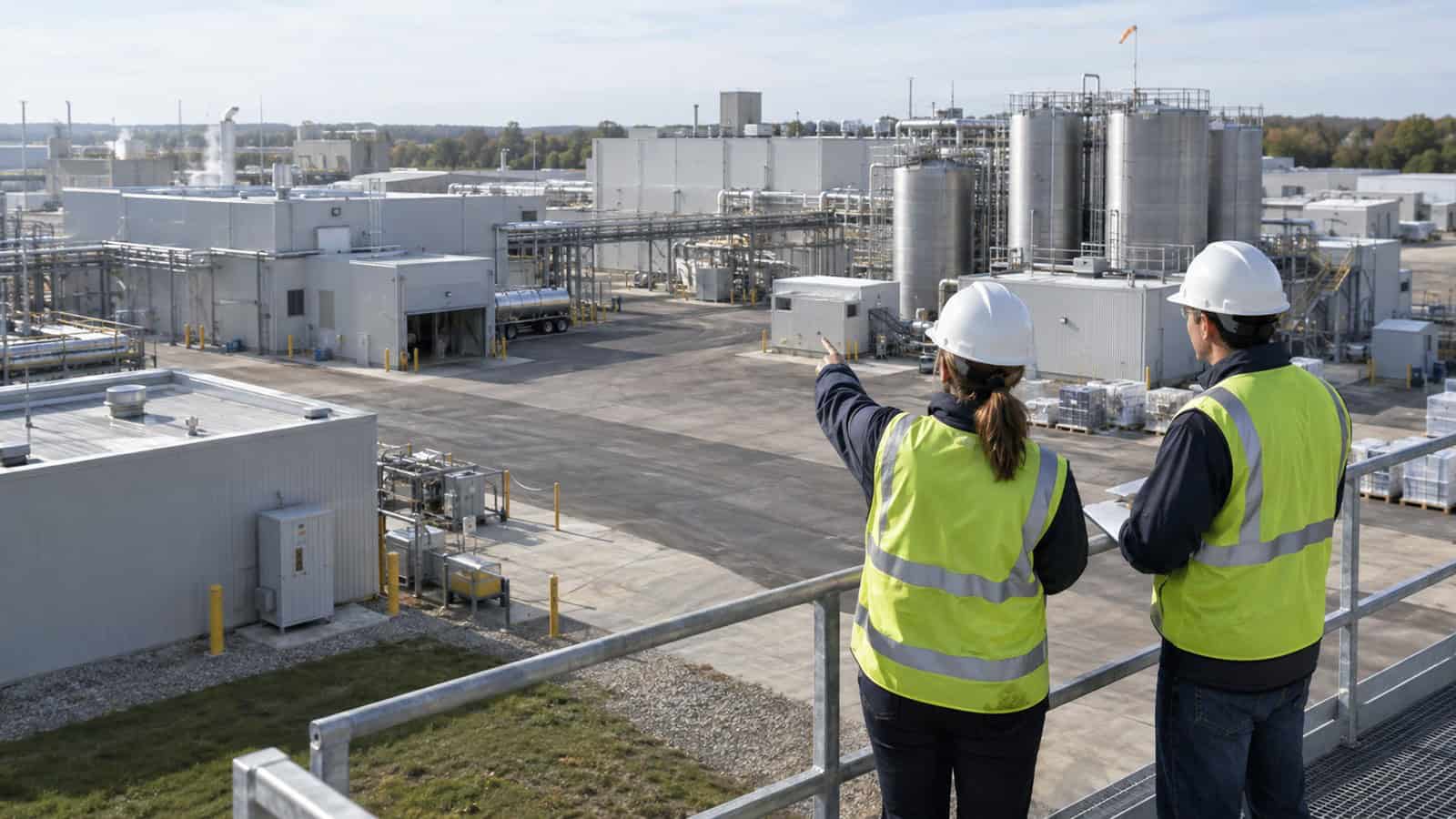
Freezer panels, metal racking, insulated doors, stock density and evaporator equipment create boundaries that a floor plan does not show. Survey with doors and machinery in representative states, including loading periods when stock and vehicles change the path.
| Zone | Survey condition | Evidence to retain |
|---|---|---|
| freezer/chiller | doors closed, full stock | uplink margin and missed reports |
| loading bay | vehicles and shutters moving | transition and burst behaviour |
| ambient store | representative rack fill | weakest sensor locations |
| plant room | electrical equipment operating | interference and mounting constraints |
Robustel’s KoolZone cold-chain case study provides exact-model deployment evidence for Robustel R1520LG in temperature-monitoring services. It shows the gateway as one part of a wider system; sensor calibration, application rules and response remain their own responsibilities.
Mark every test point on the warehouse plan and keep the sensor orientation and enclosure used in production. If a weak point passes only with an open freezer door or an empty rack, the result is a survey observation—not an accepted zone.
Follow One Alarm to the Person Who Acts
A sensor measures and encodes a value. The gateway receives the LoRaWAN frame. The network server authenticates and routes it. An application interprets the payload, applies an alarm rule and notifies an owner. Each transition needs a timestamp and a failure response.
The Robustel video of “LoRaWAN Gateway Applications” is useful for explaining this separation to facilities and quality teams. During acceptance, force a safe test condition and record the measurement time, gateway reception, application alarm and human acknowledgement rather than accepting one green gateway status.
The timestamps separate failures that otherwise look identical on a dashboard. A measurement recorded by the sensor but absent at the LNS points the radio team towards coverage or device behaviour; a decoded value without a notification belongs with the application and alarm owner. The test closes only when the named responder receives the correct site, asset, value and time and follows the agreed acknowledgement path.
How the Robustel R1520LG LoRaWAN Gateway Supports Warehouse Cold-Chain Monitoring
Robustel R1520LG LoRaWAN Gateway combines an eight-channel LoRaWAN radio with two Ethernet ports, 4G/LTE, Wi-Fi, dual SIM and optional PoE-PD. It can forward to external LNS platforms using documented protocols or run its embedded ChirpStack option, giving designers a choice of server boundary.
That flexibility helps position the gateway for RF while retaining a practical backhaul. With an external LNS, central operations own server availability, device sessions and integrations while the warehouse gateway remains a forwarding and backhaul node. With embedded ChirpStack, more of that state sits at the site, so configuration backup, software maintenance and recovery ownership must be included in the local operating plan.
Select sensors by measurement range and calibration needs, then select the LNS and application by device support, alert records and escalation workflow. During the pilot, interrupt the preferred backhaul and observe what the chosen server boundary can still receive, retain and present. The Robustel R1520LG is a strong fit when its radio placement and server choice simplify that end-to-end path; a simple forwarding gateway may be enough where the LNS is already central and the additional local server role is not required.
Define Backhaul Loss and Recovery
Decide whether the selected architecture can retain data locally, where buffering occurs and how measurement time is preserved. Test loss of the preferred backhaul, restoration and any replay burst alongside live messages. A large replay must not delay a new high-temperature alarm.
Robustel’s smart-building LoRaWAN application example illustrates the separation between field sensors, gateway, network server and building application. Apply the same ownership model to the warehouse, then document which team investigates RF, backhaul, decoding and alarm delivery.
On restoration, compare the oldest buffered record with the newest live alarm. The application should preserve measurement time and give current exceptions priority; otherwise successful replay can hide the condition that needs the fastest response.
Hand Over an Operable Zone Record
Record sensor IDs, frequency plan, gateway location, antenna, surveyed weak points, reporting interval, alarm destination, backup power and escalation contacts. Add a resurvey trigger for rack changes, new insulated rooms or relocated machinery.
Commissioning should include a missed-report alarm, a backhaul outage and a sensor replacement. Those tests expose gaps that a normal-temperature dashboard will not.
The handover record should also identify who updates it. Facilities can own room and equipment changes, the LoRaWAN operator can own RF and server settings, and the quality team can own calibration and alarm-response records. When a rack, door, sensor enclosure or reporting interval changes, the relevant owner can see which zones and acceptance tests must be repeated.
よくある質問
Q1. Is LoRaWAN suitable for temperature monitoring?
Yes, for low-rate sensor messages when the sensor accuracy, reporting interval, RF coverage and alert path meet the application requirement.
Q2. Can LoRaWAN work inside a cold room?
It can, but insulated panels, metal and door position affect propagation. Survey the installed room with representative stock and equipment states.
Q3. What happens to LoRaWAN data when the internet is down?
It depends on the network-server and buffering architecture. Define where messages are retained and test replay after the backhaul returns.
Q4. How are cold-chain alerts delivered?
The application normally decodes the measurement, applies a rule and sends the notification. The gateway transports frames; it does not by itself define the operational response.
Q5. When is the Robustel R1520LG LoRaWAN Gateway a good cold-chain fit?
It fits indoor warehouse projects that need flexible LNS ownership and Ethernet, cellular or Wi-Fi backhaul, backed by a zone survey and end-to-end alarm test.
結論
The Robustel R1520LG LoRaWAN Gateway fits cold-chain warehouses where gateway placement, server ownership and backhaul can be engineered around distinct RF zones. Its role is to make the sensor path reachable and manageable, not to replace measurement assurance or alarm governance.
Approve each zone from survey evidence and a witnessed alarm path, then retain the conditions under which it passed. When the warehouse changes, that record tells the team what must be tested again.
Explore More Articles About Robustel LoRaWAN Gateways
著者について
Robustel Editorial Team
The Robustel Editorial Team publishes practical articles on industrial connectivity, edge computing, LoRaWAN and device management, focusing on deployment considerations, technical limitations and long-term operation.