
Managing Operational Data Closer to the Edge in Industrial Environments

Industrial environments are producing more operational data than ever before, but the real challenge is not simply data volume.
Machine telemetry, environmental sensors, video systems, utility monitoring equipment, and remote industrial assets all generate different types of information. Some data is repetitive. Some is bandwidth-heavy. Some changes slowly over time. Some requires attention only when an abnormal event occurs.
Treating all of this data in the same way can quickly create unnecessary pressure on industrial networks and monitoring systems.
In many deployments, the more useful question is not “How much data can we collect?” but “Which data needs to move upstream, and which data should be filtered, prioritized, or handled closer to the field layer?”
This is where local processing becomes relevant. It gives industrial teams a way to manage selected operational data closer to where it is generated, without removing the need for centralized analytics, reporting, or long-term visibility.
When Raw Data Becomes Difficult to Manage at Scale
Industrial monitoring systems often cover many assets across different sites. A single deployment may include remote substations, roadside infrastructure, machine monitoring systems, utility assets, environmental sensors, and surveillance equipment operating at the same time.
At a small scale, sending most data upstream may be manageable. At a larger scale, the limits become more visible.
| Operational Challenge | What It Means in Practice |
| Continuous telemetry streams | Machine or sensor data may repeat frequently without always adding new operational value |
| Video monitoring systems | Raw video can consume large amounts of backhaul capacity, especially across multiple sites |
| Remote LTE/5G connections | Bandwidth, signal quality, and data cost may vary across locations |
| Event-heavy environments | Alarms and abnormal conditions need to be prioritized clearly |
| Mixed industrial systems | Legacy equipment and modern platforms may require different data handling methods |
The issue is not that centralized systems are unsuitable. They remain important for historical analysis, reporting, and broader operational coordination.
The issue is that not every raw signal needs to travel continuously to a central platform before it becomes useful.
Different Data Types Create Different Operational Pressures
Local processing is most valuable when it is matched to the behavior of the data itself.
A vibration signal from a machine does not create the same network burden as a traffic camera. A water-level sensor does not require the same response logic as an equipment alarm. Treating these workloads as identical usually leads to inefficient data handling.
Machine and Equipment Telemetry
Machine data can include vibration readings, temperature values, status changes, load information, and equipment health indicators.
Much of this data may be repetitive under normal operating conditions. Local preprocessing can help identify abnormal readings or selected events before summarized information is sent to a monitoring platform.
This is useful when maintenance teams care less about every raw value and more about changes that indicate wear, instability, or a maintenance-relevant condition.
Video-Based Monitoring
Video systems create a different type of pressure.
Unlike basic sensor telemetry, video streams can quickly consume network capacity when multiple cameras are deployed across remote or distributed sites.
In these environments, local handling may focus on event-based transmission, selected frames, metadata, or short clips rather than continuous raw streams from every location.
Environmental and Utility Monitoring
Environmental sensors and utility monitoring systems often track values that change gradually, such as temperature, air quality, water level, noise, or equipment status.
For these workloads, threshold-based alerts may provide more operational value than constant upstream transmission.
A central system still needs visibility, but the data sent upstream can often be more selective.
Operational Alerts
Alarms and abnormal events require a different handling logic.
Here, the main issue is not data volume alone. It is prioritization.
When many sites generate events at the same time, local handling can help identify which signals require attention before forwarding them to supervisory systems or maintenance teams.
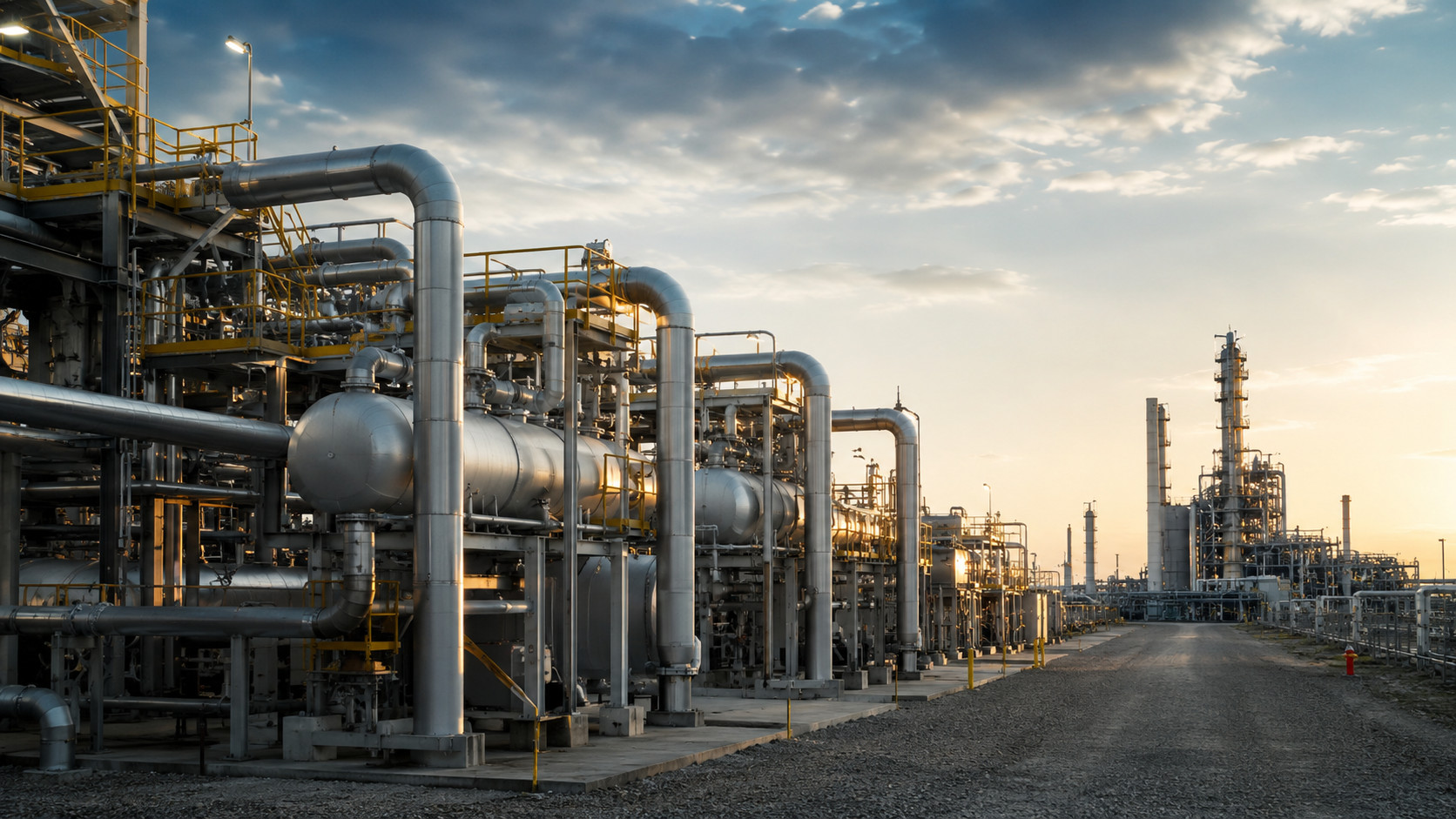
Field Conditions Often Shape the Architecture
Moving selected workloads closer to the field layer is not only a software decision. It depends heavily on the surrounding infrastructure.
Industrial deployments may involve remote locations, harsh operating conditions, mixed communication protocols, and limited physical access. These conditions influence how practical it is to collect, filter, transmit, and maintain operational data over time.
Several factors often matter:
- LTE or 5G signal quality across remote sites
- Backhaul availability and data transmission cost
- Access to roadside cabinets, utility sites, or machine enclosures
- Integration with serial-connected or legacy equipment
- Secure remote diagnostics and lifecycle management
For example, a remote utility site may depend on cellular backhaul and limited on-site maintenance. A manufacturing line may involve legacy equipment and segmented OT networks. A video monitoring deployment may create heavier bandwidth pressure than a basic telemetry system.
These differences affect whether local filtering, buffering, protocol conversion, or event prioritization becomes useful.
Local Processing and Centralized Analytics Serve Different Jobs
Local processing is not a replacement for centralized analytics. In many industrial environments, the two serve different operational purposes.
Centralized platforms are often better suited for:
- Historical reporting
- Fleet-wide visibility
- Long-term trend analysis
- Cross-site performance review
- Compliance or operational documentation
Local processing is often more useful for:
- Filtering repetitive telemetry
- Prioritizing abnormal events
- Reducing unnecessary upstream transmission
- Supporting monitoring at remote sites
- Handling selected workloads closer to equipment
This division of responsibilities is important. If everything is centralized, networks may carry large amounts of low-value data. If everything is local, organizations may lose the broader visibility needed for coordination and long-term analysis.
The practical goal is usually not to choose one side. It is to decide which parts of the data flow should remain close to the field layer and which should be handled centrally.
Questions to Resolve Before Moving Workloads Closer to the Edge
Before introducing local processing into an industrial environment, teams usually need to clarify the workload rather than start with the technology.
Useful questions include:
- Which data changes frequently but rarely requires action?
- Which events require faster attention from operators or maintenance teams?
- Which sites operate under unstable or limited connectivity?
- Which systems need protocol conversion before data can move upstream?
- Which workloads require long-term centralized storage?
- Which devices will need remote diagnostics or configuration updates?
These questions help prevent local processing from becoming another layer of complexity.
A well-designed architecture should make the data flow easier to manage, not simply move more compute into the field.
Closing Perspective
Industrial environments are becoming more connected, but more connectivity does not automatically create better operational insight.
As monitoring systems expand, the value of local processing depends on whether it helps teams handle operational data more selectively and reliably. In some cases, that may mean filtering repetitive telemetry. In others, it may mean prioritizing alerts, reducing video traffic, or supporting remote sites with limited backhaul.
The broader takeaway is simple: industrial data should not always be treated as one continuous stream moving in one direction.
A more practical approach is to understand how different types of operational data behave, then decide where each workload is best handled across the field layer, edge infrastructure, and centralized systems.
よくある質問
Q1: Why do some industrial environments avoid continuously transmitting all raw telemetry?
A: In distributed industrial environments, continuously transmitting raw telemetry may increase bandwidth usage, monitoring overhead, and infrastructure complexity — particularly across remote sites relying on LTE or wireless backhaul connectivity. In many cases, operational teams are more focused on anomalies and selected events than on every continuous data stream.
Q2: Which industrial workloads are commonly handled closer to the field layer?
A: Workloads involving repetitive telemetry, threshold-based alerts, environmental monitoring, selected video events, and machine condition monitoring are often considered suitable candidates for local preprocessing or event prioritization.
Q3: Does local processing replace centralized analytics platforms?
A: In most industrial deployments, local processing and centralized analytics are used together rather than as competing approaches. Centralized platforms may still support long-term reporting and fleet-wide visibility, while local systems help improve responsiveness to operational events.
Q4: Why can bandwidth efficiency still matter in industrial monitoring systems?
A: Many distributed industrial assets continue to operate across remote environments where LTE, 5G, or wireless connectivity conditions may vary. As monitoring infrastructure scales, reducing unnecessary upstream transmission can help improve operational efficiency and reduce network overhead.
Q5: What operational factors influence decisions about local processing?
A: Common considerations include telemetry volume, remote connectivity conditions, operational responsiveness requirements, infrastructure scalability, interoperability with existing systems, and the practical requirements associated with remote maintenance and distributed deployments.
著者について
Robert Liao | Technical Support Engineer
Robert is an IoT Technical Support Engineer at Robustel, specializing in industrial networking and edge connectivity. A certified Networking Engineer, Robert focuses on the deployment and troubleshooting of large-scale IIoT infrastructures. His work centers on architecting reliable, scalable system performance for complex industrial applications, bridging the gap between field hardware and cloud-side data management.