
5G Edge Computing in Industrial IoT: Where Cellular Connectivity Meets Local Processing
5G edge computing in industrial IoT is not simply about adding a faster cellular connection to a gateway. A 5G connection can make remote connectivity more flexible, but the real value appears when cellular backhaul is combined with local processing, protocol handling, selected data forwarding, and remote device management.
In many industrial projects, raw data cannot always be sent directly to the cloud without thought. Some data is too frequent. Some data needs cleaning. Some values are only useful when filtered, converted, buffered, or combined with local context. Some sites are remote, mobile, temporary, or difficult to wire. In these cases, the question is not only “Can the site connect over 5G?” but “What should the gateway do locally before data leaves the site?”
This article uses Robustel EG5120 and RCMS as a practical reference for that discussion. EG5120 can support the site-side 5G edge gateway layer for industrial IoT projects, while RCMS can support remote visibility and management for Robustel devices. The main point is not that 5G or edge computing automatically solves every industrial connectivity problem. The point is that a 5G edge gateway can help project teams design a more practical path between field equipment, local processing, and remote platforms.
A 5G Connection Alone Does Not Make a Site Intelligent
It is easy to talk about 5G in terms of speed, bandwidth, and lower latency. Those points matter, especially where industrial sites need stronger cellular connectivity than older networks can provide. But in industrial IoT, faster connectivity does not automatically mean a better architecture.
A remote monitoring site may generate sensor readings every few seconds. A smart factory may collect data from PLCs, machines, cameras, meters, or controllers. A transportation asset may move between coverage areas. A temporary industrial site may rely on cellular connectivity because wired infrastructure is not practical. In each case, the cellular link is only one part of the design.
The more important question is what happens before data is sent through that link.
If every raw value is forwarded upstream without filtering, the cloud platform may receive more data than it needs. If local events are not processed near the site, useful context may be lost. If a connection drops, data may need buffering or local handling. If a device uses an industrial protocol, the gateway may need to collect, convert, or package data before it becomes useful to a remote platform.
This is where 5G edge computing becomes more than connectivity. The edge gateway is not only a modem or router. It becomes the site-side layer where industrial data can be connected, selected, prepared, and forwarded with more control.
Local Processing Starts with Deciding What Data Should Travel
Industrial data is not all equal. Some values need to reach a cloud platform or remote monitoring dashboard. Some values are only useful locally. Some values should be turned into alarms, summaries, or trend indicators before they travel. Some data may be too noisy, too frequent, or too sensitive to forward without processing.
A 5G edge gateway can help when project teams need to make these decisions closer to the site. It may collect data from connected equipment, handle protocol conversion, run local applications, filter values, buffer data during connection interruptions, or forward selected information to the cloud.
The key word is selected. 5G can make it easier to move data from remote or distributed sites, but it should not encourage teams to send everything simply because the network can carry more. A good edge computing design starts by asking which data actually helps the application.
A stronger cellular connection can help move data from remote or distributed sites, but the gateway still needs to decide what should be handled locally and what should be forwarded to the cloud. This IoT Essentials video gives a simple explanation of why edge computing remains useful even when cloud platforms are available.
Video: Why Do We Need Edge Computing If We Have the Cloud?
Filter Noise Before It Becomes Traffic
In real industrial projects, data volume is not always the main issue. Data usefulness is.
A machine may generate many values, but only a few may matter for remote maintenance. A cabinet may report multiple status points, but only changes in state may need to be sent immediately. A remote asset may produce repeated readings that are useful for local logic but not necessary for every cloud update.
Local filtering can reduce unnecessary traffic and make remote platforms easier to work with. It can also help project teams avoid building dashboards full of data that nobody acts on.
This is especially useful in distributed monitoring systems, remote equipment monitoring, outdoor cabinets, utility infrastructure, and cellular-connected industrial equipment. The gateway can sit close enough to the equipment to collect site-side information, while using 5G connectivity to forward the information that actually needs to leave the site.
Keep Time-Sensitive Handling Closer to the Site
Not every industrial decision should wait for the cloud. Some events are better handled locally, especially when the project requires fast filtering, local alerts, temporary buffering, simple logic, or data preparation before forwarding. This does not mean the edge gateway replaces a PLC, safety controller, or SCADA system. It means the gateway can handle selected edge tasks that support the data flow between field devices and remote systems.
For example, a gateway may prepare Modbus data for MQTT-based cloud transmission, run a local application to process equipment status, or buffer selected values during a cellular interruption. The exact role depends on the application, but the principle is consistent: local processing should support the site’s data workflow, not create uncontrolled logic outside the industrial control design.
This is an important boundary: Edge processing is useful, but it should be assigned carefully.
Where a 5G Edge Gateway Fits in Industrial IoT Architecture
A 5G edge gateway usually sits between field equipment and remote systems. On the field side, it may connect to PLCs, meters, sensors, controllers, cameras, or machines through Ethernet, serial interfaces, digital I/O, or other supported connections. On the network side, it may use 5G or fallback cellular networks to connect to cloud platforms, remote monitoring systems, or centralized device management tools.
That position gives the gateway several responsibilities:
| Architecture layer | Typical role |
| Field equipment | Generates operational data, status values, alarms, or local process information |
| 5G edge gateway | Connects selected equipment, handles local processing or protocol conversion, and forwards data through a cellular path |
| Remote management layer | Monitors gateway health, connectivity, status, configuration, and lifecycle |
| Cloud / SCADA / IoT platform | Receives selected data for visualization, analysis, reporting, alarms, or business workflows |
| Project and support teams | Define access, data ownership, update policy, security rules, and maintenance workflows |
This structure helps avoid a common misunderstanding. A 5G edge gateway is not the entire industrial IoT platform. It is one layer in the architecture. It helps connect the site to remote systems, but it still depends on field device access, network coverage, security design, cloud configuration, and operational process. A good project defines those boundaries early.
Smart Factories, Remote Sites, and Mobile Assets Need Different Designs
5G edge computing in industrial IoT can appear in very different environments.
In a smart factory, the value may come from connecting machines, production equipment, cameras, or mobile devices where wired infrastructure is limited or where flexible deployment is needed. Local processing may help prepare selected data before it reaches a monitoring platform or factory application.
In a remote industrial site, the main issue may be connectivity and visibility. A water station, utility cabinet, temporary work site, or energy asset may not have stable wired internet. A 5G edge gateway can provide cellular backhaul while also helping collect selected equipment data locally.
In mobile industrial assets, the challenge is different again. Transportation assets, service vehicles, temporary systems, or moving equipment may operate across changing network conditions. The gateway may need to maintain cellular connectivity, manage local data flows, and support remote monitoring even when coverage varies.
In video and sensor deployments, local processing becomes especially important. Video, image, and high-frequency sensor data can generate large volumes of traffic. Not all of that data should be sent upstream in raw form. Where the application allows it, local processing can help send selected events, status, metadata, or processed outputs instead of forwarding everything continuously.
These scenarios are different, but they share one question: what should be handled at the site, and what should be sent over 5G?
5G Edge Computing Is Not the Same as Carrier MEC
This point matters because the term “5G edge computing” can mean different things in different conversations.
In telecom discussions, 5G edge computing often refers to carrier MEC, or multi-access edge computing. In that model, computing resources may sit inside or near the mobile operator’s network, closer to users than a distant cloud data center.
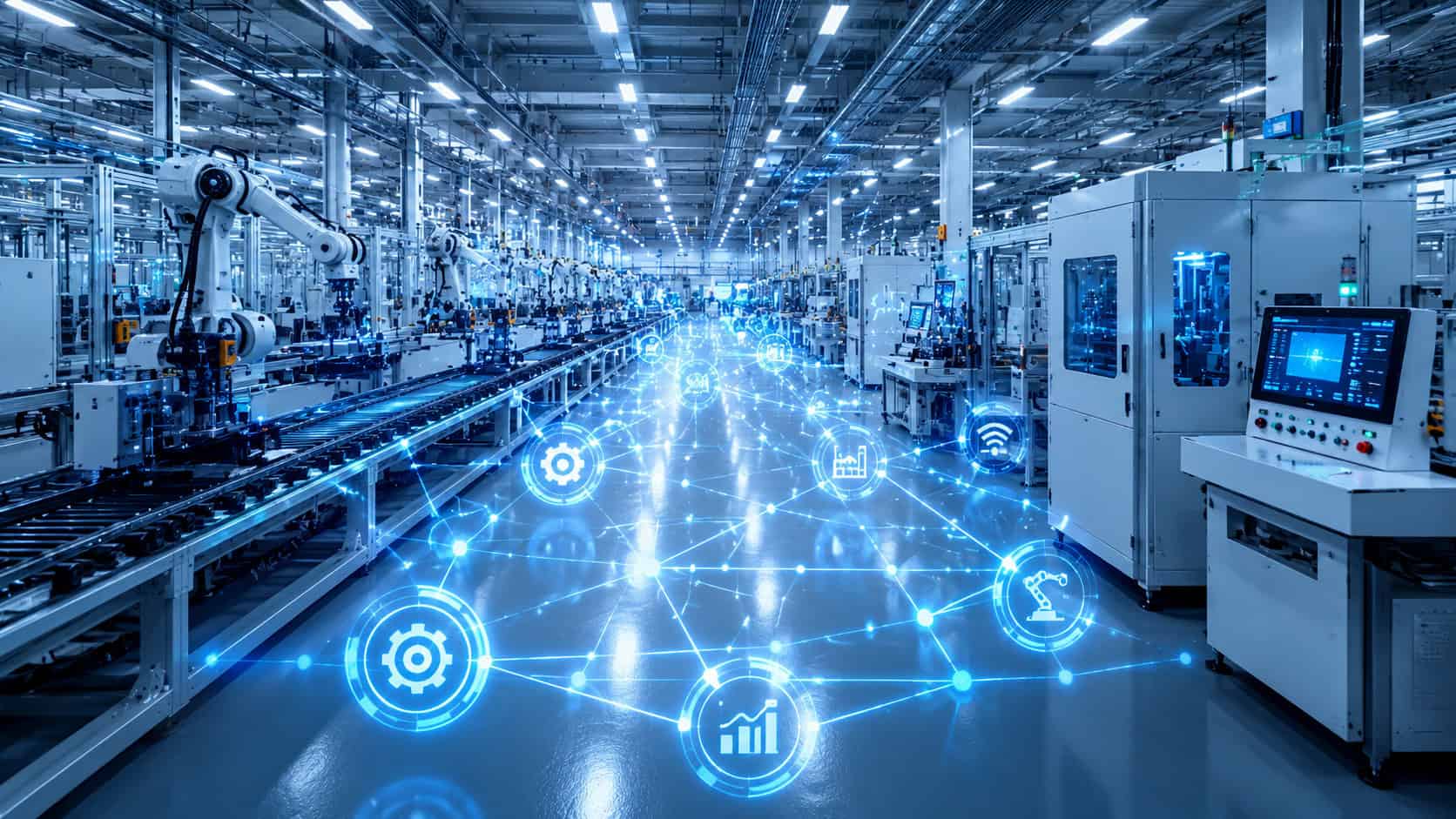
That is not the main focus of this article. Here, 5G edge computing refers to an industrial site-level gateway architecture. The gateway is deployed at or near the industrial asset, machine, cabinet, vehicle, or remote site. It uses 5G connectivity for backhaul and combines that connection with local processing, protocol handling, secure communication, and remote management.
The distinction is important. Carrier MEC depends on mobile operator infrastructure and service availability. Site-level 5G edge gateways are deployed as part of the industrial project itself. They are closer to the field devices, easier for project teams to define within their own architecture, and more directly tied to local data handling.
For many industrial IoT teams, the immediate project question is not whether they need carrier MEC. It is whether their site needs a 5G edge gateway that can process selected data locally before sending it to a cloud, SCADA, or remote monitoring platform.
Robustel EG5120 and RCMS as a Practical 5G Edge Gateway Reference
Once the architecture is clear, the product discussion becomes more specific. A 5G edge computing project needs more than cellular access. The site-side gateway should be able to connect industrial equipment, handle selected local data workflows, support secure communication, and remain manageable after deployment.
This is where Robustel EG5120 and RCMS are useful as a practical reference for industrial IoT projects where 5G connectivity and local processing need to work together.
- 5G connectivity for industrial sites: EG5120 can provide the site-side 5G edge gateway layer for remote industrial sites, outdoor cabinets, mobile assets, temporary deployments, and cellular-connected equipment where wired connectivity may be limited or impractical.
- Local processing before data leaves the site: In 5G edge computing, the gateway is not only a backhaul device. EG5120 can support local data handling, edge applications, and selected processing workflows so that field data can be filtered, converted, buffered, or prepared before being sent to a remote platform.
- Industrial equipment access: Many industrial sites still depend on PLCs, meters, sensors, controllers, or legacy equipment. EG5120 can support industrial interfaces and protocol-related workflows that help connect selected field equipment to cloud, SCADA, or monitoring systems.
- Gateway-to-cloud data movement: For projects where not every raw data point should be sent upstream, EG5120 can help create a more controlled path between field equipment, local processing, and remote systems. The value is not simply sending more data over 5G, but sending more useful data.
- Remote visibility and lifecycle management: RCMS can support remote visibility and management for Robustel routers and gateways. For distributed 5G edge deployments, this matters because project teams need to monitor device status, connectivity, configuration, firmware, and maintenance workflows over time.
- Security and operational boundaries: EG5120 and RCMS can support a more manageable 5G edge computing architecture, but they do not replace PLCs, SCADA, MES, cloud platforms, cybersecurity programs, or field maintenance teams. The final outcome still depends on site design, network coverage, data requirements, access policy, and operational discipline.
In practical terms, EG5120 provides the site-side 5G edge gateway layer, while RCMS provides the Robustel device visibility and management layer. Together, they can support industrial IoT deployments where cellular connectivity, local data processing, and remote management need to be considered as one architecture rather than separate decisions.
For teams moving from architecture planning to configuration work, Robustel also provides RCMS how-to guides covering common management tasks such as device onboarding, remote access, alert configuration, firmware updates, and deployment workflows.
These guides are best used as implementation references after the gateway security design has been defined. They do not replace a project-specific security review, but they can help deployment teams understand how RCMS-related workflows are configured in practice.
Data That Should Be Processed Locally Before Going Over 5G
Not all industrial data needs the same treatment. Some data should be sent quickly because it affects remote monitoring or service response. Some data should be filtered because it is repetitive or noisy. Some data should be aggregated because the trend matters more than every raw value. Some data should remain local because it is tied to control, safety, or site-specific operations.
A practical way to think about local processing is to divide data into categories:
| Data type | Possible local handling |
| High-frequency sensor data | Filter, aggregate, or send only meaningful changes |
| Machine status values | Convert into status updates, alarms, or operating states |
| Video or image-related data | Send selected events, metadata, or processed outputs where supported |
| Protocol data from PLCs or meters | Convert, map, or package for cloud or monitoring platforms |
| Temporary connection interruptions | Buffer selected data before forwarding when connectivity returns |
| Site-side alarms | Prioritize urgent events instead of sending every raw input equally |
This is where the edge gateway earns its place in the architecture. If the gateway only forwards raw data, the system may still work, but it may not use the edge layer very effectively. If the gateway is configured to process the right data locally, the remote platform receives information that is more useful, more manageable, and easier to act on.
The goal is not to move all intelligence into the gateway. The goal is to put the right amount of processing in the right place.
Boundaries Project Teams Should Keep Clear
5G edge computing is useful, but it should not be oversold. A 5G gateway does not guarantee ultra-low latency in every deployment. Real latency depends on coverage, operator network conditions, antenna placement, signal quality, application design, routing, cloud location, and how much processing is handled locally.
A 5G edge gateway also does not replace industrial control systems. PLCs, controllers, SCADA systems, and safety systems still have their own roles. The gateway should support data movement and selected edge processing, not take over responsibilities that belong to the control layer.
Local processing is not automatically better just because it is local. Processing at the edge should solve a real problem: reducing unnecessary data traffic, preparing data for remote applications, improving resilience during network interruptions, supporting local diagnostics, or handling selected events closer to the site.
Remote management also has limits. RCMS can support Robustel device visibility and management, but it is not a full industrial application platform or cybersecurity system. Project teams still need to define users, permissions, data paths, firmware plans, security policies, and maintenance responsibilities. A mature 5G edge computing design accepts these boundaries from the start.
Closing Perspective
5G edge computing in industrial IoT becomes useful when cellular connectivity and local processing are planned together.
A 5G edge gateway can help connect remote assets, mobile equipment, factory systems, outdoor cabinets, and distributed monitoring sites. But the real value does not come from 5G alone. It comes from deciding what data should be handled locally, what should be forwarded, how remote access should work, and how the gateway will be managed over time.
Robustel EG5120 and RCMS can support this kind of 5G edge computing deployment when used with the right site architecture and operating process. EG5120 can provide the site-side 5G edge gateway layer, while RCMS can support visibility and management for Robustel devices across distributed industrial deployments.
The practical goal is not to send every industrial signal over 5G. The goal is to build a clearer path between field equipment, local processing, and remote systems, so project teams can move the right data, at the right time, through a gateway layer they can understand and maintain.
FAQs
Q1. What is 5G edge computing in industrial IoT?
5G edge computing in industrial IoT refers to the combination of 5G cellular connectivity and local edge processing near industrial equipment, remote assets, machines, cabinets, or distributed sites. Instead of sending every raw data point directly to the cloud, a 5G edge gateway can help collect, filter, convert, buffer, or forward selected data from field devices. In this type of architecture, products such as Robustel EG5120 can support the site-side 5G edge gateway layer, while RCMS can support remote visibility and management for Robustel devices.
Q2. How does 5G support edge computing?
5G can support edge computing by providing a flexible cellular backhaul path for industrial sites where wired connectivity is limited, difficult, temporary, or mobile. It can help connect remote equipment, outdoor cabinets, smart factory systems, transportation assets, or distributed monitoring sites to remote platforms. However, 5G alone does not create edge computing. The edge value comes when the gateway also performs useful local work, such as data filtering, protocol conversion, buffering, local application logic, secure communication, or selected data forwarding.
Q3. Why use a 5G gateway for industrial IoT?
A 5G gateway can be useful when an industrial IoT project needs cellular connectivity and site-side data handling in the same device layer. For example, a project may need to connect PLCs, meters, sensors, cameras, or machines at a remote site, process selected data locally, and then send useful information to a cloud, SCADA, or remote monitoring platform. A 5G IoT gateway is especially relevant for remote sites, mobile assets, temporary industrial installations, utility infrastructure, and cellular-connected equipment where wired access is limited or impractical.
Q4. What data should be processed locally before being sent over 5G?
Data that is high-frequency, noisy, repetitive, event-based, or protocol-specific may benefit from local processing before being sent over 5G. Examples include sensor readings that need filtering, machine status values that should be converted into alarms, Modbus or PLC data that needs mapping, or video and sensor events where only selected outputs should be forwarded. The goal is not to process everything locally, but to decide which data becomes more useful when it is cleaned, filtered, buffered, converted, or summarized near the site.
Q5. Is 5G edge computing the same as carrier MEC?
No. Carrier MEC usually refers to computing resources deployed in or near a mobile operator network. This article focuses on industrial site-level 5G edge computing, where a gateway is deployed near machines, remote assets, cabinets, vehicles, or field equipment. A site-side 5G edge gateway such as Robustel EG5120 is used within the industrial project architecture to combine cellular connectivity, local processing, secure communication, and remote management. Carrier MEC may be relevant in some telecom-led deployments, but it is not the same as deploying an industrial 5G edge gateway at the site.
Über den Autor
Robert Liao | Technical Support Engineer
Robert is an IoT Technical Support Engineer at Robustel, specializing in industrial networking and edge connectivity. A certified Networking Engineer, Robert focuses on the deployment and troubleshooting of large-scale IIoT infrastructures. His work centers on architecting reliable, scalable system performance for complex industrial applications, bridging the gap between field hardware and cloud-side data management.