
Best Industrial Cellular Router by Use Case: Factory Energy Retail and Transport
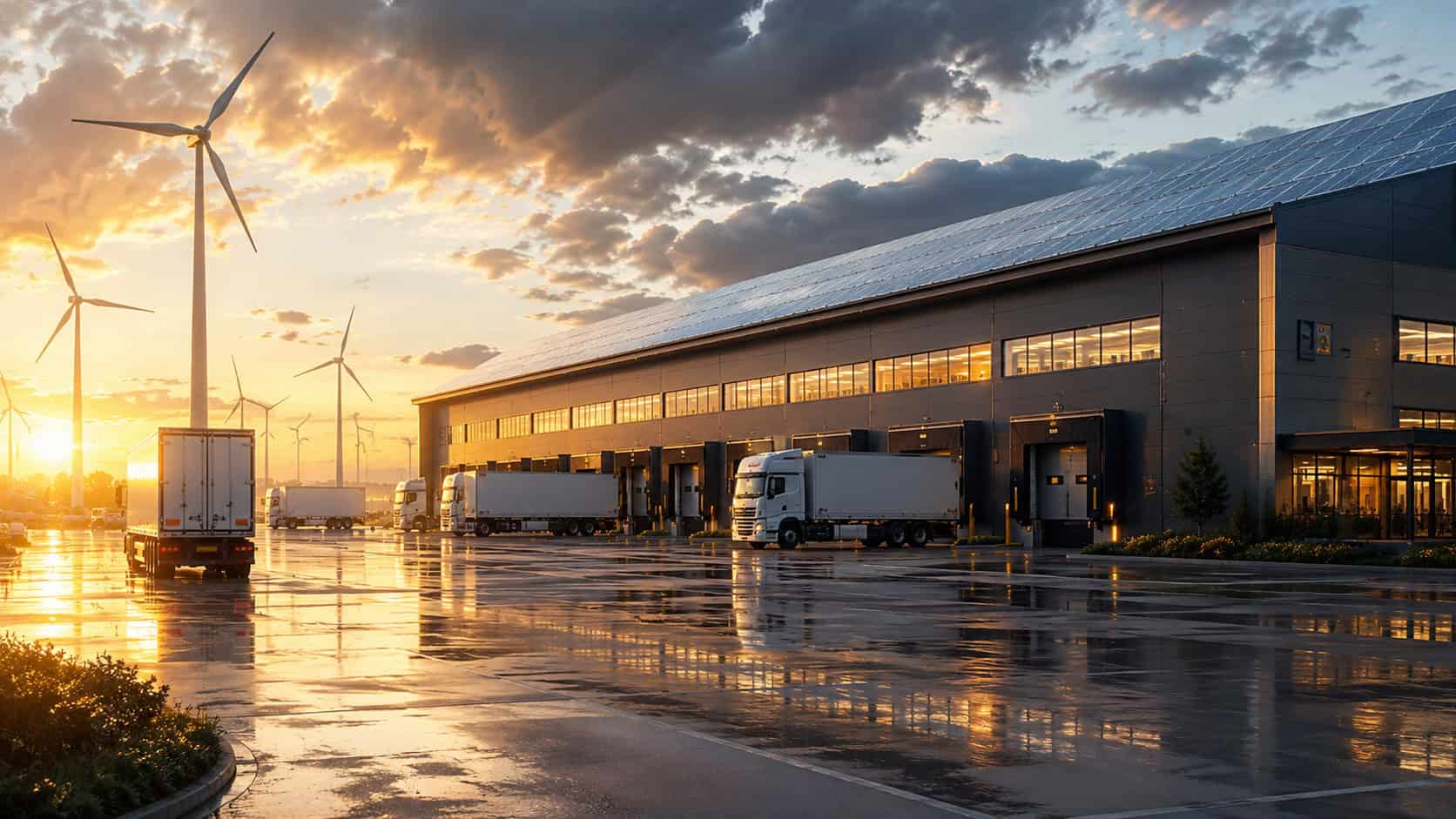
The best industrial cellular router depends on what the site must keep online and how cellular connectivity fits the wider network. For retail branches that already use a firewall or SD WAN platform, the Robustel R5010 Industrial 5G Router provides a focused way to add primary temporary or backup cellular connectivity without rebuilding the existing LAN.
The same product category serves very different environments. A factory may need access to PLCs and legacy equipment. An energy site may operate for weeks without an engineer present. A retail branch may be ready to open before its fixed line arrives. A vehicle may need to connect cameras ticketing equipment and passenger WiFi while moving between coverage areas.
These differences matter more than headline 5G speed. Router selection should begin with the network role connected equipment failure impact and maintenance model of each site.
Why the Use Case Changes Industrial Cellular Router Selection
An industrial cellular router can act as the main site router a backup WAN a temporary connection or a cellular handoff to another network appliance. Each role creates a different technical and commercial requirement.
This range of roles is reflected across the Robustel industrial cellular router portfolio. Some products provide a focused cellular WAN connection while others add multiple Ethernet ports serial interfaces WiFi GNSS digital I O or PoE functions for sites where the router must also serve local equipment.
A router that works well in a branch office may lack the interfaces required beside a production line. A multiport model designed for local equipment may add unnecessary cost when an existing firewall only needs one cellular WAN connection. A vehicle router may require GNSS and suitable power behaviour that would add little value at a fixed energy site.
Before comparing models project teams should answer four questions:
- What equipment connects directly to the router
- Which applications depend on the cellular link
- What should happen when the preferred connection fails
- How will the router be configured and supported after installation
These answers define the right product class more reliably than a general request for the fastest or most feature rich device.
Factory Networks: Start with Equipment Integration
A factory may use cellular connectivity for remote maintenance machine monitoring temporary production lines or backup communications. In these projects the first question is usually not whether 5G is available. It is whether the router can join the operational technology environment without creating unnecessary integration work.
Engineers should map the equipment before selecting the router. PLCs industrial computers and machine vision systems may use Ethernet while meters drives and older controllers may require RS232 or RS485. Digital inputs and outputs may also be needed for alarms equipment status or simple control signals.
The network boundary is equally important. A cellular router should not expose production equipment simply because remote access is required. The design needs to define where VPN termination firewall policies routing and separation between operational and enterprise traffic will take place.
The wider Robustel industrial router range includes both focused WAN products and models with additional local interfaces. The useful distinction is not which model has more features but whether the selected architecture reduces the need for external switches serial converters or other integration hardware at the site.
For decision makers the interface choice has a direct cost impact. Selecting a router without the required Ethernet or serial capacity can create additional procurement installation and commissioning work. Choosing a larger model than the site needs creates the opposite problem: higher cost and more functions to configure without improving the operational result.
The best industrial cellular router for a factory is therefore the one that fits the existing equipment and security architecture rather than the one with the longest specification list.
Energy Sites: Design for Recovery Without a Site Visit
Solar installations battery systems water infrastructure and other distributed energy assets are often deployed where fixed broadband is difficult or expensive to install. Cellular connectivity can simplify the WAN design but it also makes remote management and recovery more important.
At an unmanned site a small configuration fault may lead to a long journey for a technician. The router should provide enough visibility to help the operations team distinguish between a cellular problem a configuration error and a physical fault before dispatching someone.
For supported Robustel router fleets, RCMS can provide central visibility configuration firmware management and remote diagnostic functions. This is particularly relevant when the same connectivity architecture is deployed across many energy sites with limited local support.
Central management does not remove the need for physical maintenance. A damaged antenna failed power supply or unsuitable operator may still require a site visit. Its value is that the operations team can investigate many software configuration and connectivity issues before deciding that field intervention is necessary.
Dual SIM can support a more resilient design when two suitable mobile services are available. It does not by itself guarantee uninterrupted operation. The router must detect the failure activate the alternative path register with the network and restore IP connectivity. VPNs monitoring applications and remote sessions may then need to reconnect.
This sequence should be tested at a representative site. A router that changes SIM successfully in a laboratory may behave differently inside a metal cabinet with weak signal limited antenna placement and fluctuating network conditions.
Energy projects should also avoid assuming that remote sites need the largest possible router. A cabinet connecting one controller and one monitoring device may benefit more from a compact product reliable LTE fallback and centralised configuration than from several unused Ethernet ports or high capacity local WiFi.
Retail Branches: Protect the WAN Without Rebuilding the LAN
Retail sites depend on connectivity for more than general internet access. POS systems digital ordering payment services stock applications kitchen displays and other branch systems may all need access to central platforms.
Two problems appear repeatedly.
- The first is fixed line delay. A branch may be fitted out staffed and ready to operate while the broadband circuit is still waiting for provider scheduling building access or site preparation.
- The second is WAN interruption after opening. A fault on the main circuit can affect transactions orders and other systems even when the local network equipment remains healthy.
Most established branches already have a firewall switches managed WiFi and an internal addressing design. Adding cellular resilience should not require the organisation to replace these systems. The cellular device can instead provide another WAN path to the architecture already in place.
Placement also affects the result. The main communications cabinet may be deep inside the building or surrounded by material that weakens cellular reception. Positioning the cellular device closer to a suitable antenna location can be more important than theoretical modem performance.
For retail teams the practical requirement is therefore a manageable 5G connection that can be deployed quickly integrated with the existing WAN and supported across many branches.
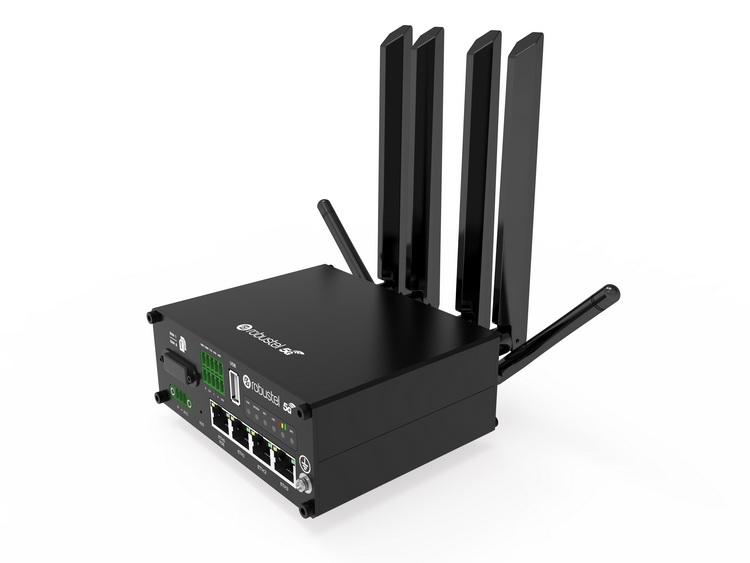
The Robustel R5010 Industrial 5G Router follows this focused WAN model. It is designed for branches that want to retain their existing firewall switching and internal network while adding day one connectivity or a secondary cellular WAN path.
Robustel’s Real-world example: 5G resilience across retail branches
A Robustel case study with UK managed service provider Jones Technology shows this architecture in practice. Across a large quick-service restaurant estate, the Robustel R5010 Industrial 5G Router was deployed alongside an existing SD-WAN firewall, providing cellular connectivity before leased lines were ready and a secondary WAN after fixed connectivity became available. Store systems included POS terminals, ordering kiosks, kitchen displays and guest Wi-Fi, while RCMS supported centralised deployment and management across the estate.
The case shows why retail router selection should begin with the WAN role. The R5010 did not need to replace the branch firewall or LAN; it filled a specific connectivity gap in the architecture.
Transport Networks: Mobility Changes the Requirement
A router installed in a vehicle operates under different conditions from a fixed site. Signal quality changes along the route and the local network may serve several applications with different traffic and security requirements.
Typical connected equipment can include:
- CCTV cameras and recorders
- Ticketing or payment terminals
- Driver displays
- Passenger information systems
- Vehicle computers
- Passenger WiFi devices
The router may therefore need several Ethernet ports local wireless capacity GNSS and vehicle suitable power behaviour. Ignition sensing can be relevant where equipment should shut down safely rather than continue drawing power after the vehicle has stopped.
Operations traffic and passenger traffic should not be treated as one undifferentiated workload. Ticketing and vehicle systems may need predictable access and tighter network control while passenger WiFi creates larger and less predictable demand.
The Robustel 5G router portfolio includes products for both focused cellular WAN connections and more integrated onboard networking. The correct direction depends on whether the cellular device is only supplying backhaul or is also expected to connect local equipment provide WiFi and support location aware applications.
A compact WAN only router may be appropriate when the vehicle already has a separate onboard network platform. A more integrated model makes sense when the cellular router must act as the centre of the onboard network.
Industrial Cellular Router Use Case Matrix
| Use case | Main network problem | Priority capabilities | Common selection mistake |
| Factory | Connecting operational equipment securely to remote systems | Ethernet serial interfaces VPN routing network separation | Choosing by cellular speed before mapping field interfaces |
| Energy | Maintaining unmanned or difficult to reach sites | Remote management dual SIM LTE fallback diagnostics suitable antennas | Assuming a second SIM removes the need for recovery testing |
| Retail | Adding primary temporary or backup WAN to an existing branch network | Simple WAN handoff rapid deployment central management flexible placement | Buying a full local network platform when only a managed cellular WAN is required |
| Transport | Supporting mobile equipment and changing coverage conditions | GNSS local WiFi multiple Ethernet ports vehicle power support | Treating a moving network like a fixed indoor installation |
This matrix narrows the type of router a project should examine. Regional frequency support operator coverage certifications power requirements antenna design and pilot testing still need to be verified before rollout.
How the Robustel R5010 Industrial 5G Router Solves Retail and Branch WAN Gaps
A retail branch may already have a firewall switches managed WiFi and an established internal network. Its immediate problem is often narrower: it needs a usable WAN before the fixed service is ready or another connection when the primary circuit fails. The Robustel R5010 Industrial 5G Router addresses this gap by adding a managed cellular path without requiring the branch to replace the rest of its network.
See Robustel R5010 architecture in a quick overview: Watch the Robustel R5010 Quick Pitch for a concise look at how the router can provide primary 5G connectivity, SD-WAN backup or temporary WAN access while fitting into an existing branch network.
Add 5G Without Duplicating the Branch Network
The Robustel R5010 Industrial 5G Router provides a 2.5 Gigabit Ethernet interface and USB modem capability allowing it to deliver 5G connectivity to an existing firewall or SD WAN appliance. Routing security traffic prioritisation and branch policies can remain within the network platform already selected by the organisation.
This focused architecture is useful when the cellular device does not need to provide several LAN ports local WiFi or industrial serial interfaces. The branch gains another WAN option without paying for local networking functions already handled elsewhere.
For engineers this creates a clear system boundary. The R5010 supplies cellular access while the firewall or SD WAN platform decides how branch traffic uses that connection.
For decision makers it reduces the risk of turning a resilience project into a wider and more expensive network replacement.
Use the Same Router Before and After Fixed Line Installation
A branch can initially use Robustel R5010 as its primary or temporary WAN while waiting for the fixed service. This gives network teams a way to commission connected systems without making the opening schedule entirely dependent on the broadband provider.
Once the fixed circuit becomes available the same router can remain as a secondary WAN rather than becoming redundant equipment. One device can therefore support both day one connectivity and later branch resilience.
The transition still needs to be designed. The branch network should define:
- Which WAN is preferred
- What event triggers failover
- Which applications receive priority over cellular
- How VPNs and sessions reconnect
- When traffic returns to the fixed circuit
The R5010 supplies the alternative connection but the complete recovery result depends on the firewall or SD WAN policy mobile network availability and application behaviour.
Improve Cellular Placement Without Moving the Main Network
The communications room is not always the best radio location. It may sit inside a metal structure behind several walls or in a part of the building with poor mobile coverage.
Because Robustel R5010 acts as a focused WAN device it can be installed closer to a more suitable cellular or antenna location while remaining connected to the main branch network. Optional PoE PD support can also simplify suitable installations where power and Ethernet are planned together.
The final design must still account for antenna choice cable loss environmental protection physical security and operator performance. Better placement cannot make an unavailable network usable but it can prevent the installation itself from becoming the weakest part of the connection.
Manage Distributed Branches as One Router Estate
Configuring one router locally is manageable. Supporting tens or hundreds of branches requires a repeatable process.
RCMS provides central visibility configuration firmware management and troubleshooting for deployed Robustel devices. Network teams can prepare common settings review connectivity and investigate many problems without treating each branch as an isolated installation.
Central management does not remove every field task. A damaged antenna power failure or unsuitable local operator may still require on site action. Its value is that operations teams can identify many remote configuration and connectivity issues before sending a technician.
The complete solution is therefore not the router alone. Retail WAN resilience comes from combining the Robustel R5010 Industrial 5G Router with suitable operator coverage antenna placement an existing firewall or SD WAN policy and a tested management workflow.
FAQs
Q1. Is there one best industrial cellular router for every industry?
No. The best fit depends on the router role connected equipment installation conditions and impact of failure. A factory may prioritise serial interfaces and network separation while a branch office may only need a cellular WAN for an existing firewall. Defining the use case first prevents teams from buying unused capabilities or discovering missing interfaces during installation.
Q2. When is 5G more useful than LTE for an industrial cellular router?
5G becomes more relevant when the application carries video supports many local users transfers large files or needs additional capacity for future expansion. LTE can remain sufficient for low volume telemetry and basic remote monitoring. Coverage should be tested at the intended installation point because a stable LTE connection may deliver a better operational result than inconsistent 5G service.
Q3. Why is the Robustel R5010 Industrial 5G Router suitable for retail branches?
The Robustel R5010 Industrial 5G Router suits branches that already have a firewall SD WAN appliance or established LAN but require a managed cellular WAN. It can provide temporary connectivity before fixed broadband is installed or remain as a backup afterwards. Its focused interface design avoids duplicating switching WiFi and local networking functions already handled by the existing branch infrastructure.
Q4. Does dual SIM prevent all industrial connectivity outages?
No. Dual SIM gives the router access to another subscription but recovery still depends on failure detection mobile network availability registration time and application reconnection. Power loss damaged antennas and wider network faults may also affect both SIM paths. Projects should measure complete application recovery rather than checking only whether the router changes from one SIM to another.
Q5. What should decision makers compare beyond the router price?
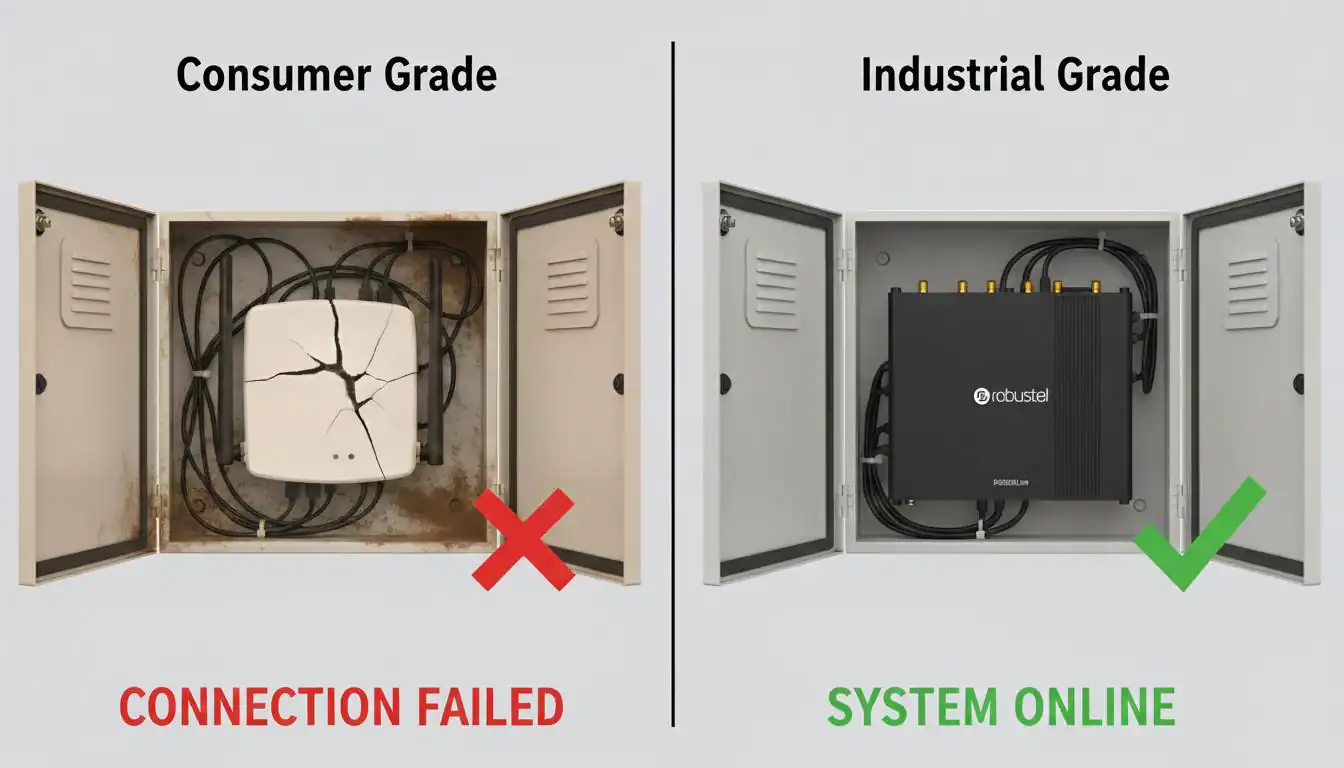
The comparison should include antennas enclosures switches interface converters installation SIM plans remote management and expected field support. Product lifecycle firmware availability configuration effort and technician travel also influence total cost. A lower priced router can become more expensive when it lacks a required interface or cannot be managed efficiently across multiple sites.
Conclusion
The Robustel R5010 Industrial 5G Router is a practical fit for retail and branch networks that need to add primary temporary or backup cellular connectivity to an existing firewall or SD WAN architecture. Its value comes from filling a specific WAN gap without forcing the organisation to replace the local network already serving the site.
Factories should begin with equipment integration energy projects with remote recovery and transport systems with mobility and local device capacity. Once the use case is defined in those terms product selection becomes less about finding the longest feature list and more about avoiding the technical gaps operational risk and unnecessary cost that appear after deployment.
Explore more articles about Robustel industrial 5G routers:

About the Author
Robert Liao | Technical Support Engineer
Robert is an IoT Technical Support Engineer at Robustel, specializing in industrial networking and edge connectivity. A certified Networking Engineer, Robert focuses on the deployment and troubleshooting of large-scale IIoT infrastructures. His work centers on architecting reliable, scalable system performance for complex industrial applications, bridging the gap between field hardware and cloud-side data management.